Lv1 · Walkable
7 shrines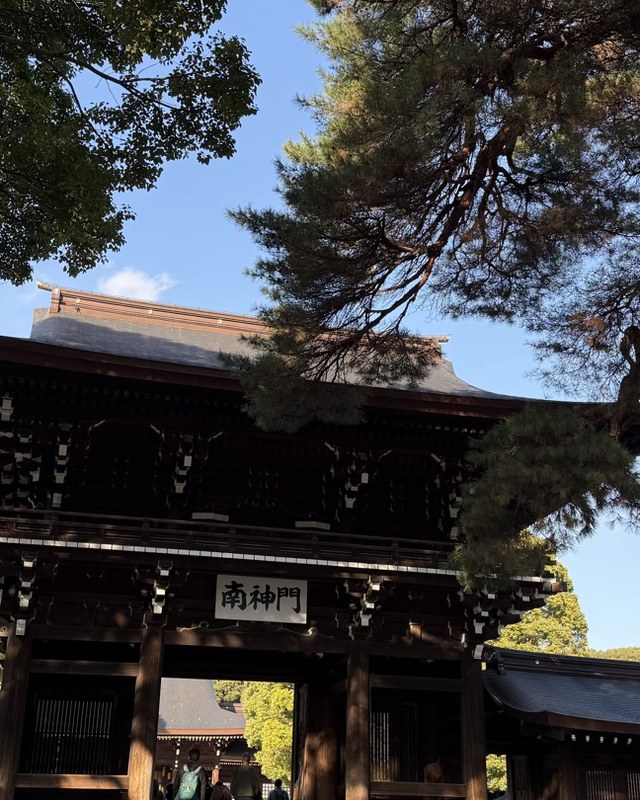 JinguMeiji Jingu明治神宮Shibuya, TokyoJingu · Emperor Meiji
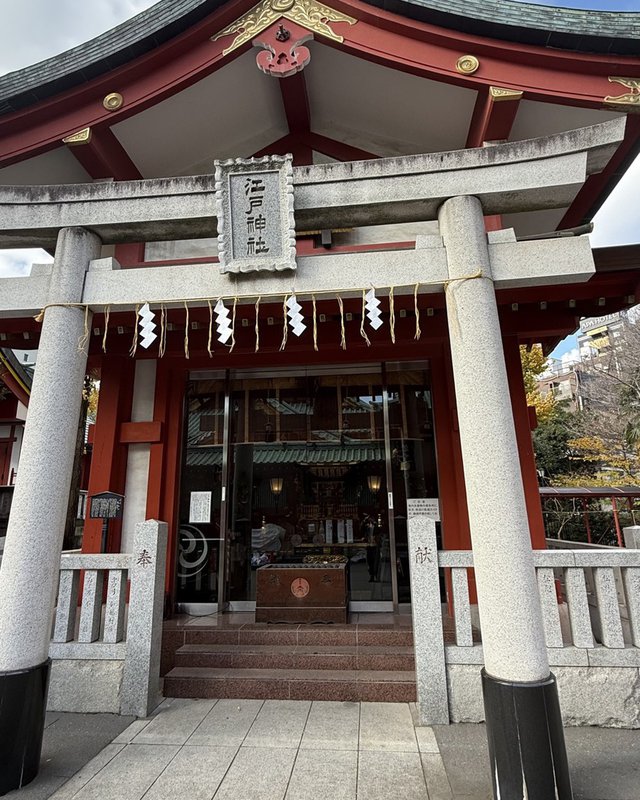 NotableKanda Myojin神田神社(神田明神)Chiyoda, TokyoGuardian shrine of Edo
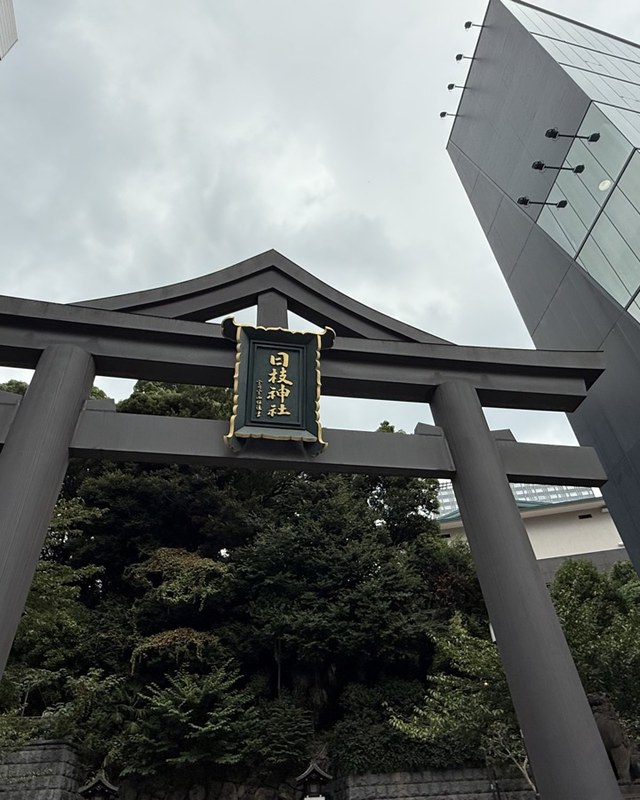 NotableHie Jinja日枝神社Chiyoda, TokyoTutelary shrine of Edo Castle
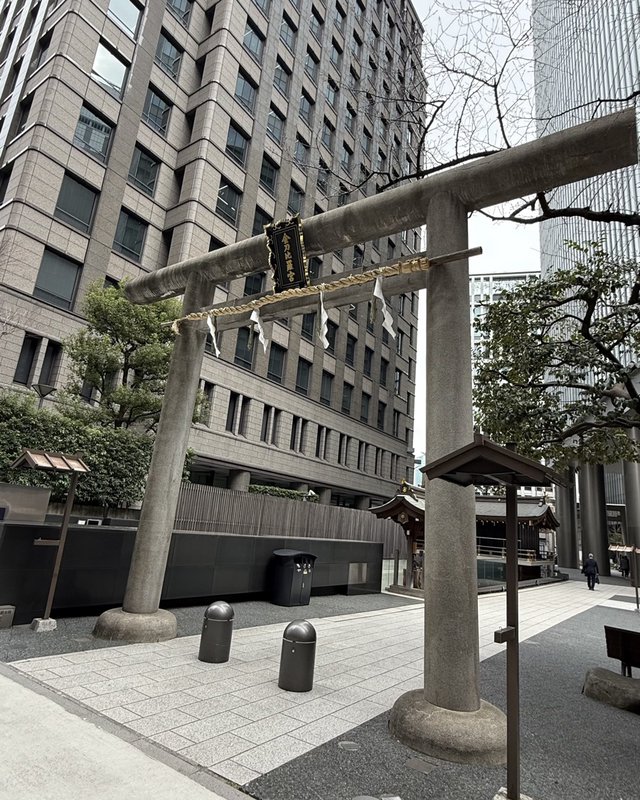 NotableToranomon Kotohira-gu虎ノ門金刀比羅宮Minato, TokyoA Kotohira shrine
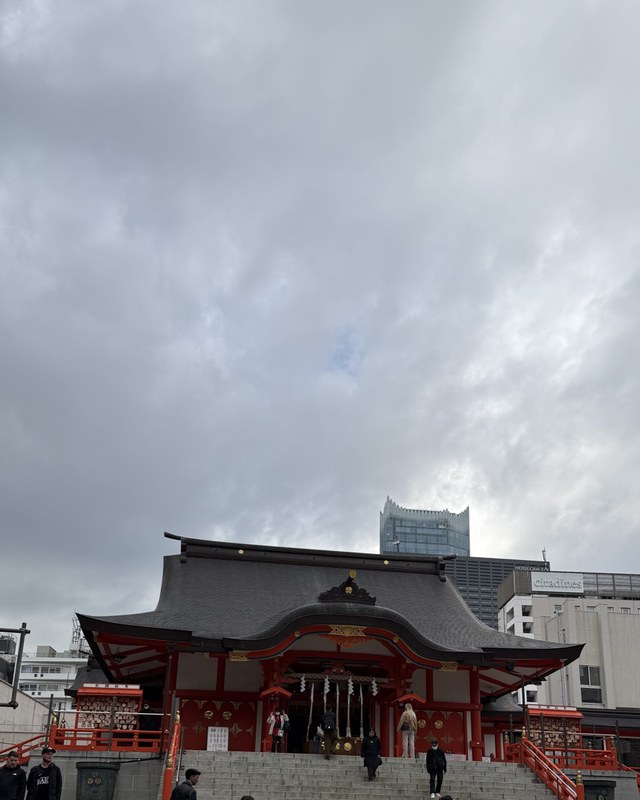 NotableHanazono Jinja花園神社Shinjuku, TokyoGuardian shrine of Shinjuku
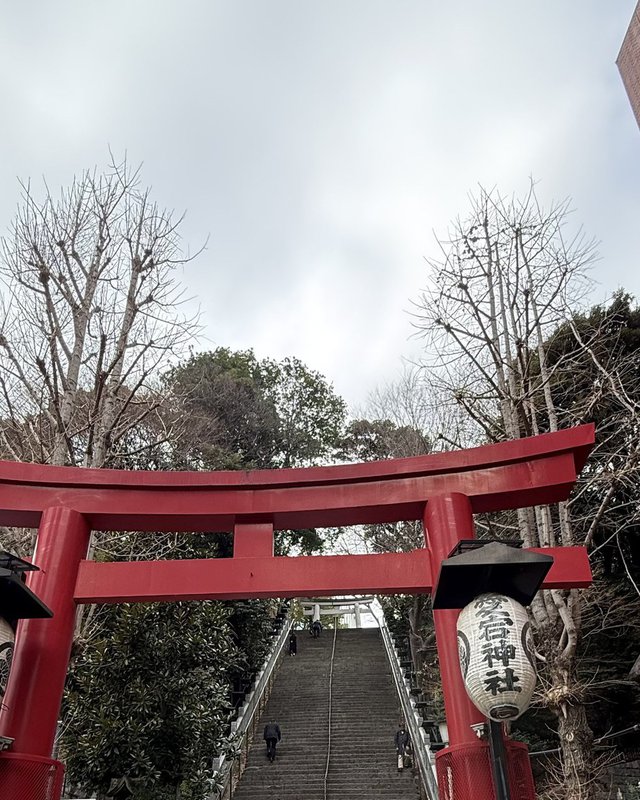 NotableAtago Jinja愛宕神社Minato, TokyoSummit of Mt. Atago
 NotableYoyogi Hachimangu代々木八幡宮Shibuya, TokyoA Hachiman shrine
Lv1 · Walkable (inside the Yamanote loop)
Within walking distance of central stations. Two or three shrines can fit into one day.
- Meiji JinguThe forest covers 700,000 square metres. Every tree was planted by hand when the shrine was founded in 1920. Ten minutes from Harajuku, and the city goes quiet.
- Kanda Jinja (Kanda Myojin)Guardian shrine of Edo. It enshrines Taira no Masakado, who was defeated by the imperial court and later worshipped as a god. Akihabara is only minutes away.
- Hie JinjaThe tutelary shrine of Edo Castle, now the Imperial Palace. Its Sanno Matsuri is known as a Tenka Matsuri, a festival of the realm. An escalator reaches the shrine buildings.
- Toranomon Kotohira-guThe shrine buildings are built into the foot of a high-rise office block. The gods are associated with safety at sea and prosperity in business.
- Hanazono JinjaGuardian shrine of Shinjuku. Golden Gai and Kabukicho are next door. Red-tent theatre still continues in the grounds.
- Atago JinjaIt stands on Mount Atago, the highest natural hill in Tokyo's 23 wards. The 86 Stone Steps of Success are known for the story of a rider who climbed them on horseback.
- Yoyogi HachimanguJust west of Meiji Jingu. The grounds preserve a Jomon settlement site and a reconstructed dwelling.
Lv2 · One hour by train
6 shrines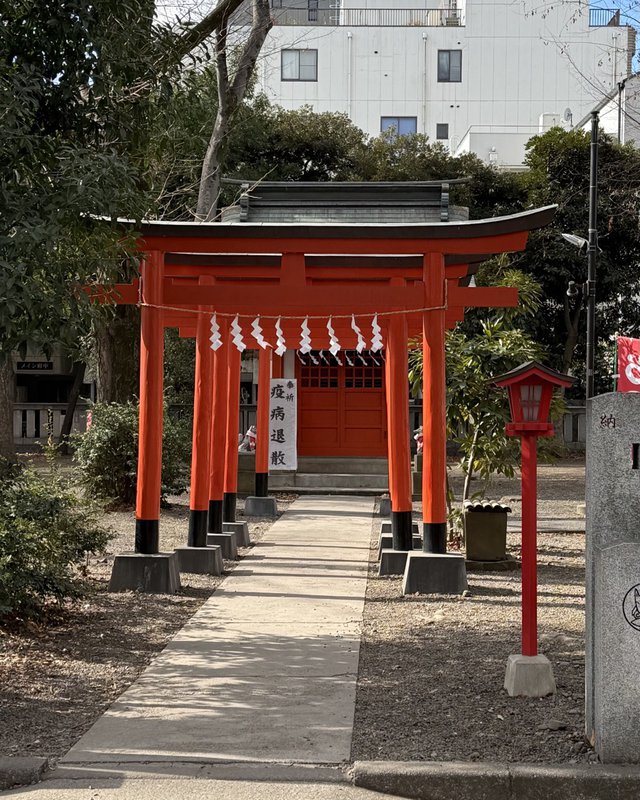 NotableOkunitama Jinja大国魂神社Fuchu, TokyoSoja of Musashi Province
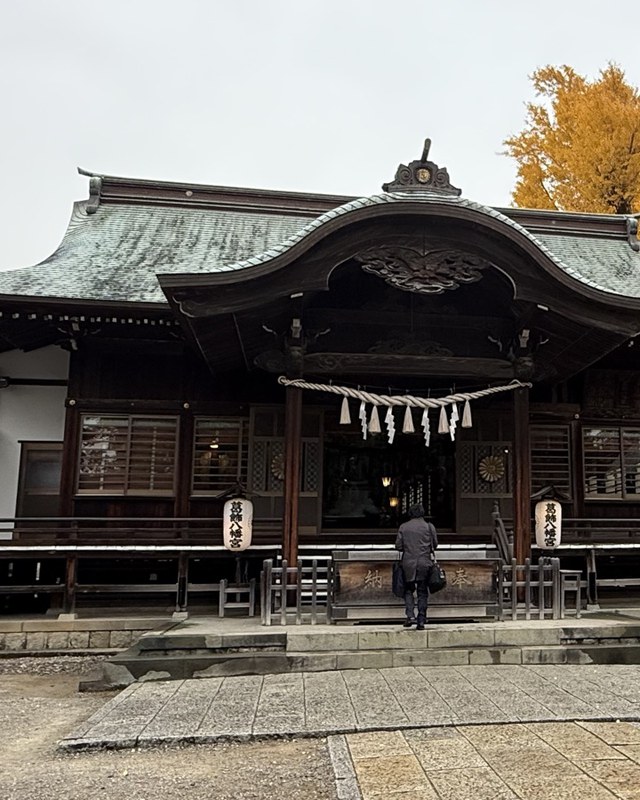 NotableKatsushika Hachimangu葛飾八幡宮Ichikawa, ChibaA Hachiman shrine
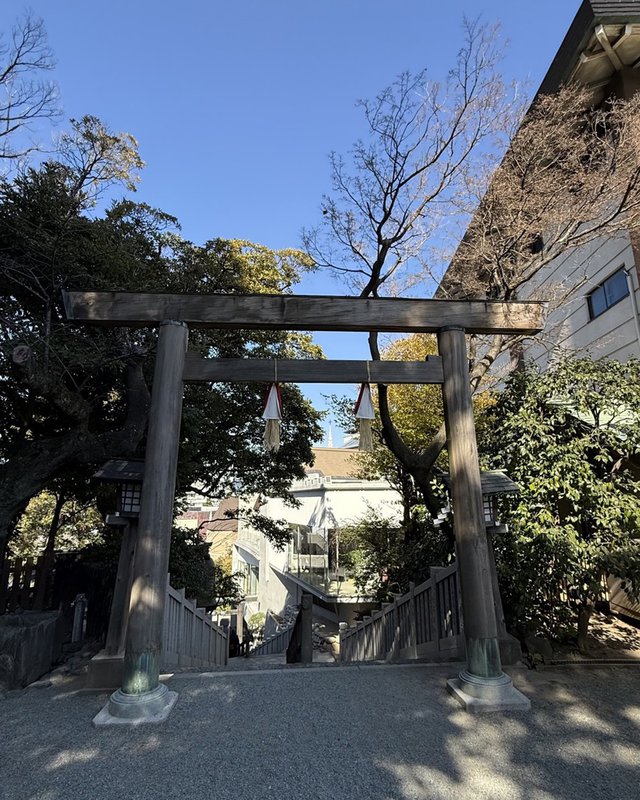 NotableIseyama Kotai Jingu伊勢山皇大神宮Yokohama, KanagawaThe “Ise” of the Kanto
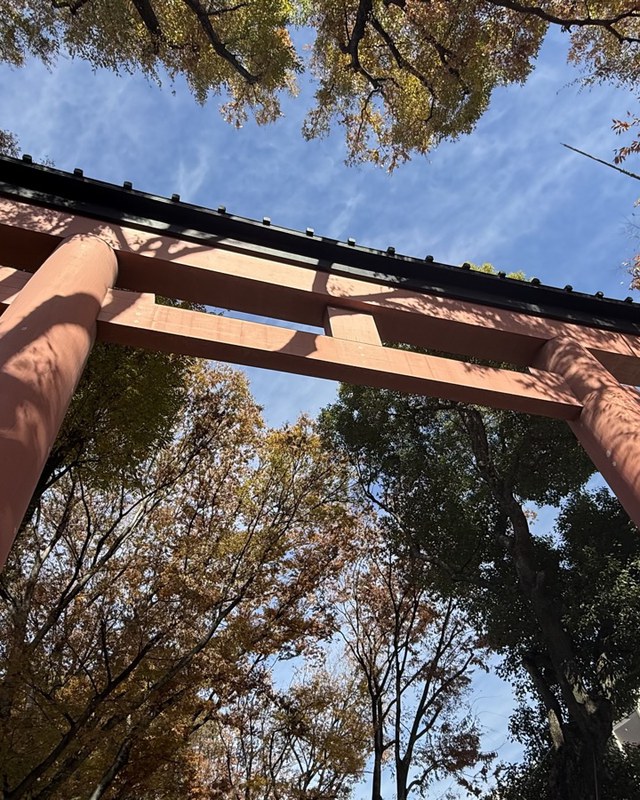 Ichinomiya (1st)Musashi Ichinomiya Hikawa Jinja武蔵一宮氷川神社Omiya, SaitamaIchinomiya of Musashi
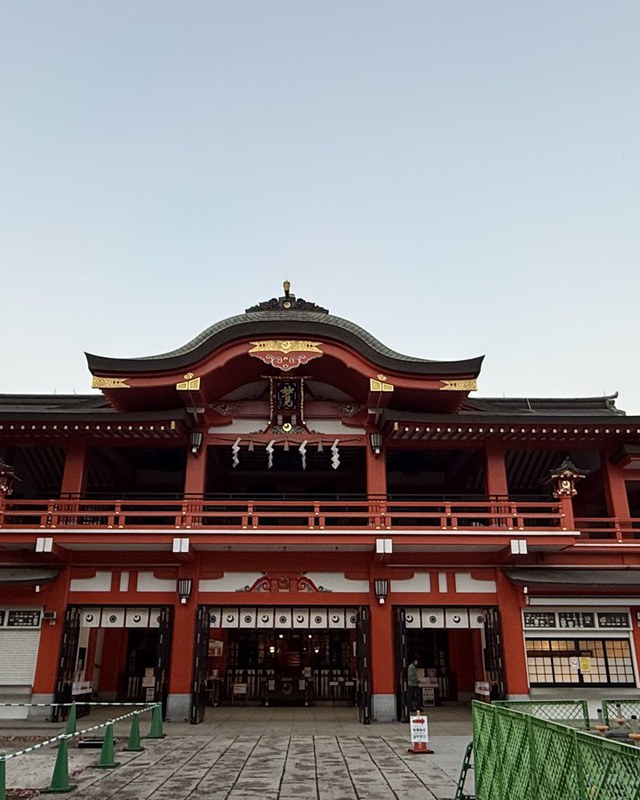 NotableChiba Jinja千葉神社Chiba City, ChibaA Myoken shrine
- NotableFuda Tenjinja布多天神社Chofu, TokyoA Tenjin shrine
Lv2 · One hour by train (Yamanote loop + beyond)
Fuchu to the west. Ichikawa to the east. Yokohama to the south. Omiya to the north. A ring around central Tokyo.
- Okunitama JinjaThe soja of Musashi Province. The Baba Daimon zelkova avenue is a National Natural Monument.
- Katsushika HachimanguThe Sembon Ginkgo stands here. It is said to be 1,200 years old and is a National Natural Monument.
- Iseyama Kotai Jingu"The Ise of Kanto". The Meiji government built the shrine on a hill overlooking Yokohama harbour.
- Musashi Ichinomiya Hikawa JinjaAbout 280 Hikawa shrines in Kanto are said to have been divided off from this shrine. The place name Omiya is said to come from this shrine.
- Chiba JinjaIts "two-storey shrine" has a separate worship hall on each floor. The shrine follows Myoken worship of the North Star.
- Fuda TenjinjaAn old shrine listed in the 927 Engishiki Jinmyocho. It is the guardian shrine of Chofu and is also associated with GeGeGe no Kitaro.
Lv3 · Half a day
16 shrines- Kamakura
- Sagami’s ranked shrines
- Tanzawa
- Chichibu
- Okutama
- Kashima & Katori
- Hakone & Mishima
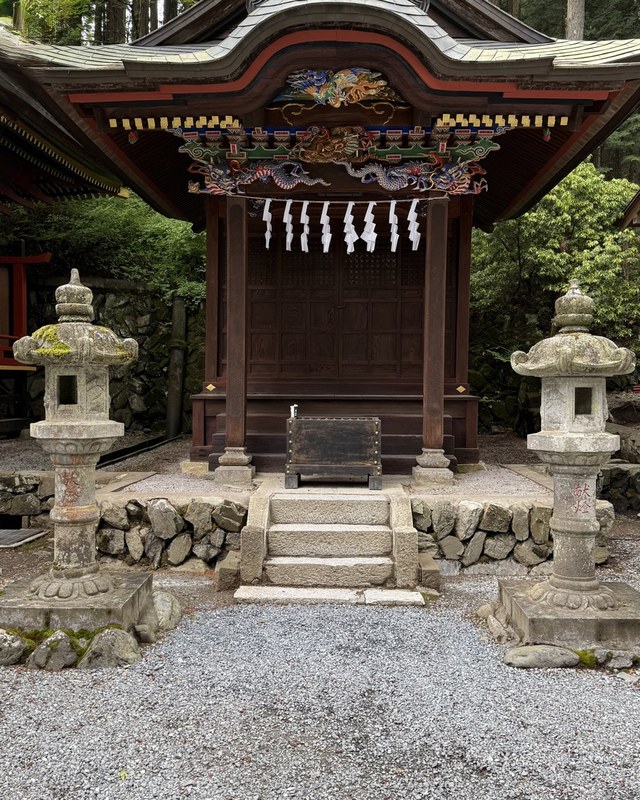
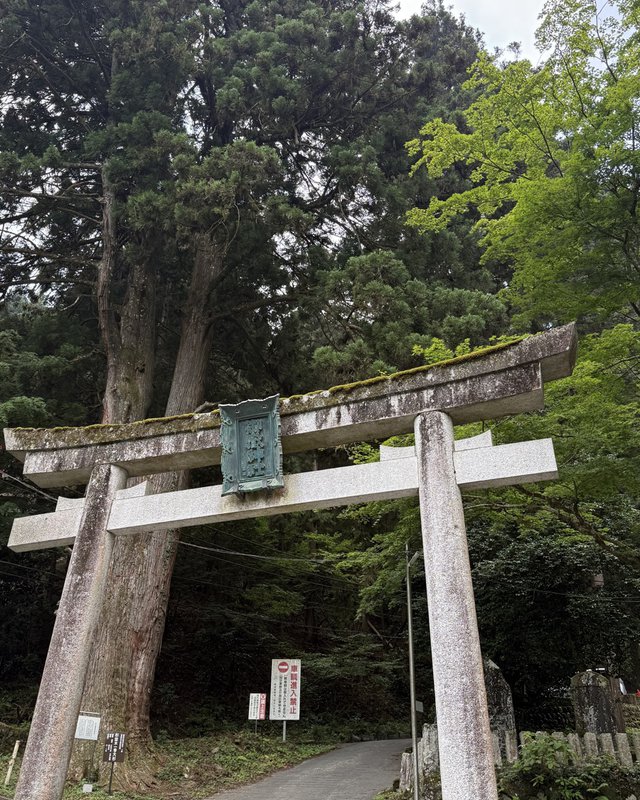
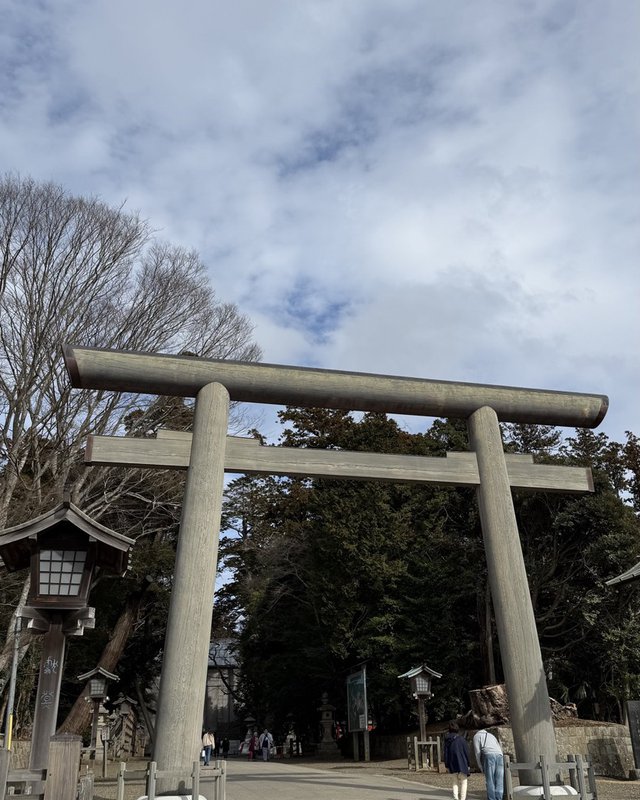
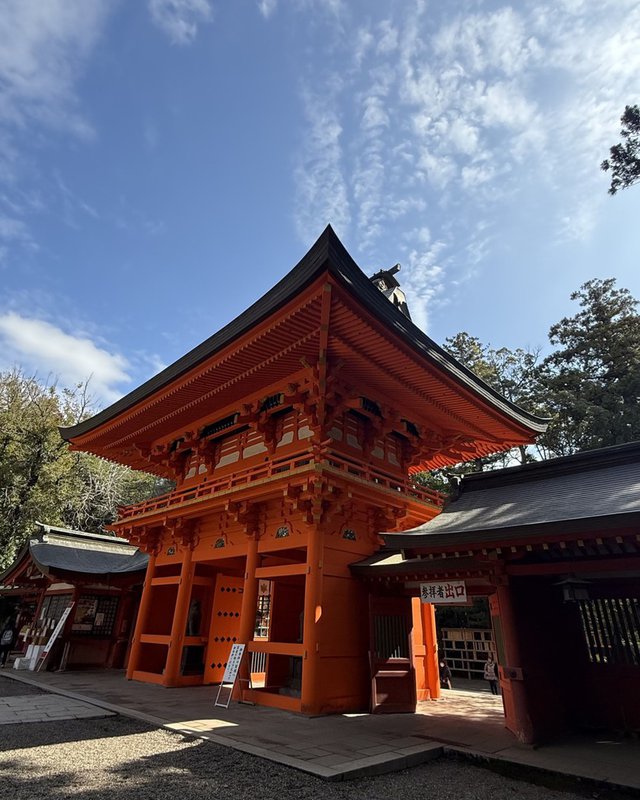
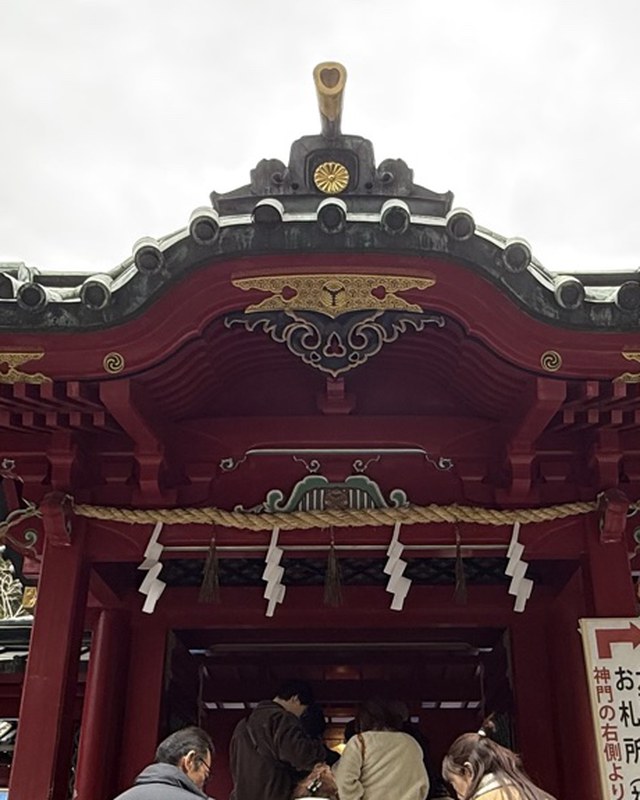
Lv3 · Half a day (fully suburban)
Kamakura, Sagami’s ranked shrines, Chichibu, Okutama, Tanzawa, Hakone, Ibaraki, Chiba and Mishima in Shizuoka. A longer stay opens this outer ring.
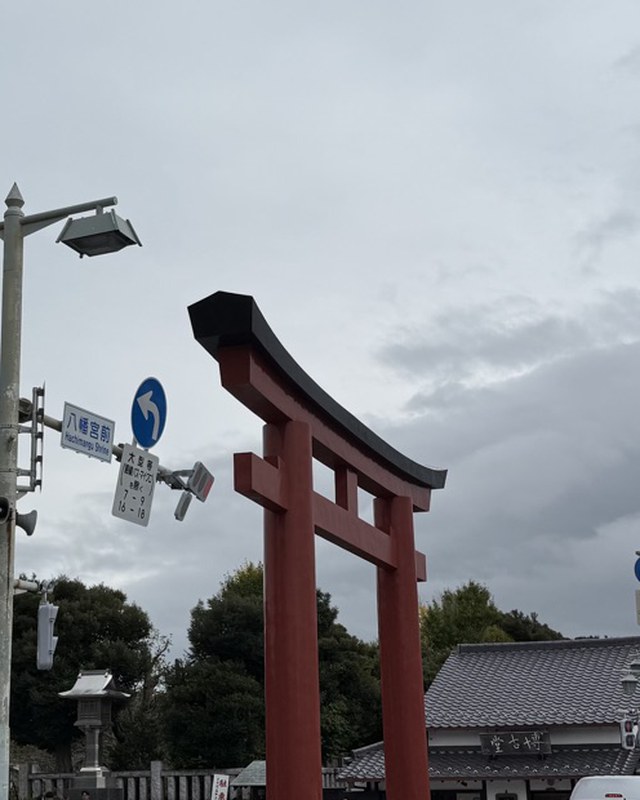
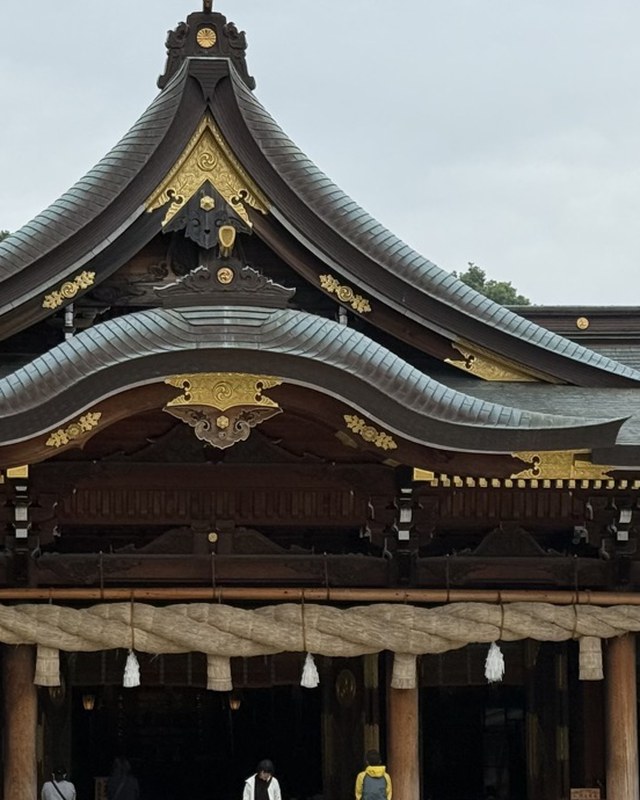
- Tsurugaoka HachimanguCentre of the Kamakura shogunate. Dankazura, the straight approach from the sea to the shrine, still forms the spine of the town. It calls itself the ichinomiya of Sagami Province. The traditional ichinomiya is Samukawa Jinja, also in this ring.
- Zeniarai BenzaitenMoney washed in the spring inside a rock-cut cave is said to multiply.
- Egara TenjinshaCounted among Japan's three great Tenjin shrines. A different pace from the crowds at Tsurugaoka Hachimangu.
- Mitsumine JinjaAbout 1,100 metres up in the mountains. Wolves, or mountain dogs, stand where komainu usually would.
- Musashi Mitake JinjaOn a 929-metre summit. The old oshi pilgrim lodgings still form a living settlement on the mountain.
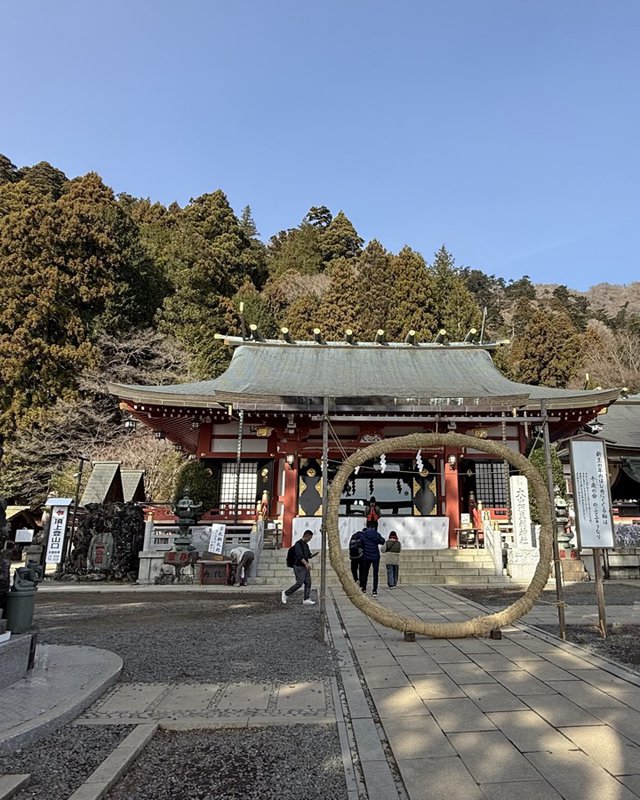
- Oyama Afuri JinjaThe "rain mountain". About 200,000 people a year are said to have climbed Oyama on pilgrimage in the Edo period.
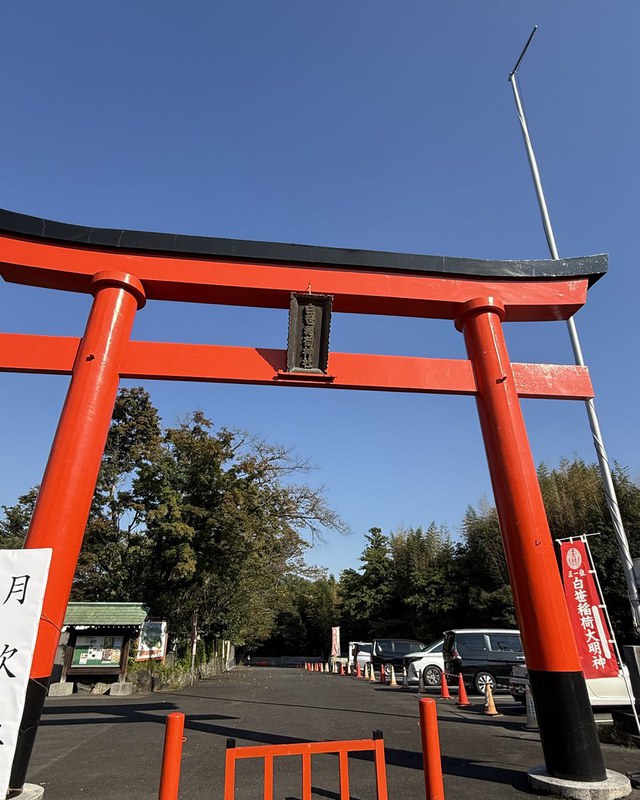
- Shirasasa Inari JinjaCounted as one of the three great Inari shrines of the Kanto. A tunnel of vermilion torii, and countless small white foxes.
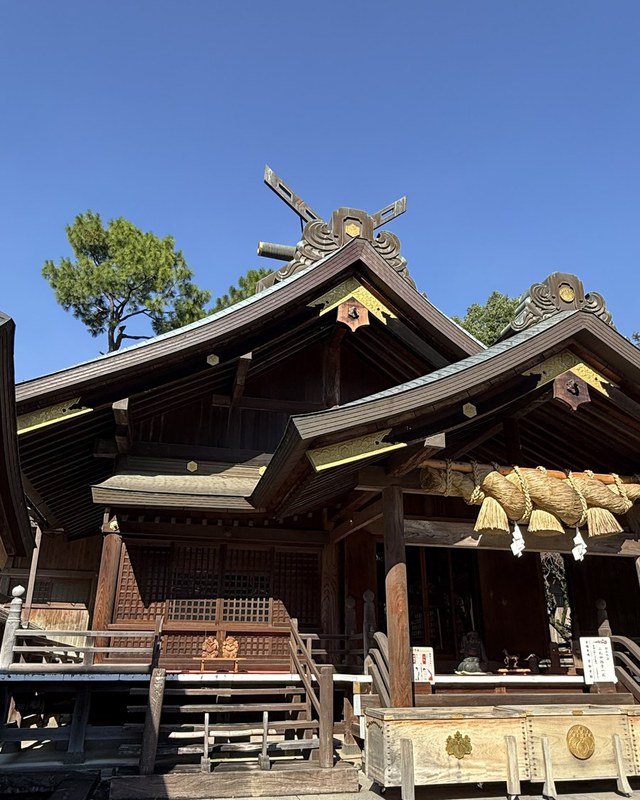
- Izumo Taisha Sagami BunshiA branch of Izumo Taisha in Shimane, known as “the Izumo-san of the Kanto”. A shrine to the dragon-snake deity stands deep in its bamboo grove.
- Kashima JinguIchinomiya of Hitachi Province, enshrining a god from the transfer-of-the-land myth. Its Kaname-ishi is said to pin down the giant catfish that causes earthquakes.
- Katori JinguIchinomiya of Shimosa Province, enshrining the god sent with Kashima's deity in the transfer-of-the-land myth. Its Kaname-ishi forms a convex-and-concave pair with Kashima's.
- Samukawa JinjaIchinomiya of Sagami Province. It is said to be Japan's only shrine for happo-yoke, protection from misfortune in every direction.
- Kawawa JinjaThe ninomiya of Sagami Province, which gave the town of Ninomiya its name. At the Zamondo of the Kokufu Matsuri every 5 May, it acts out a ritual dispute with Samukawa Jinja over which of them is first.
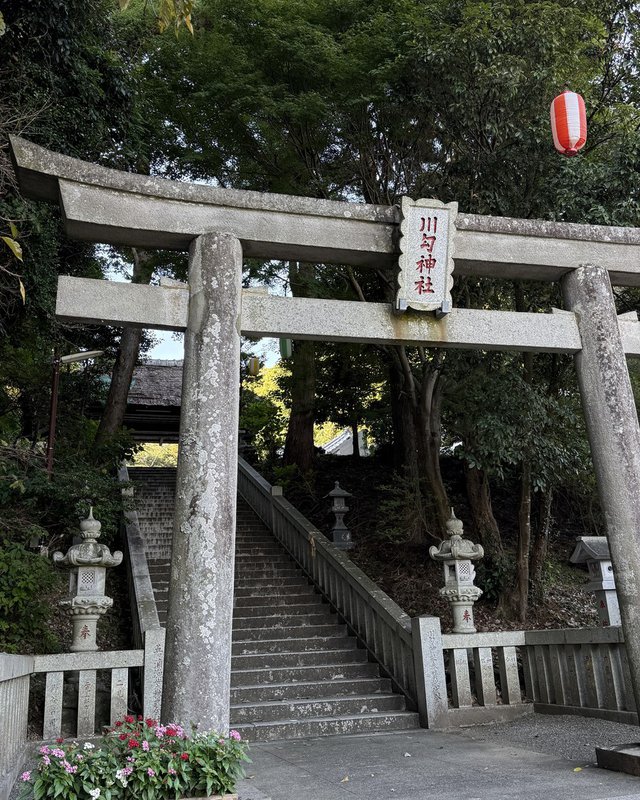
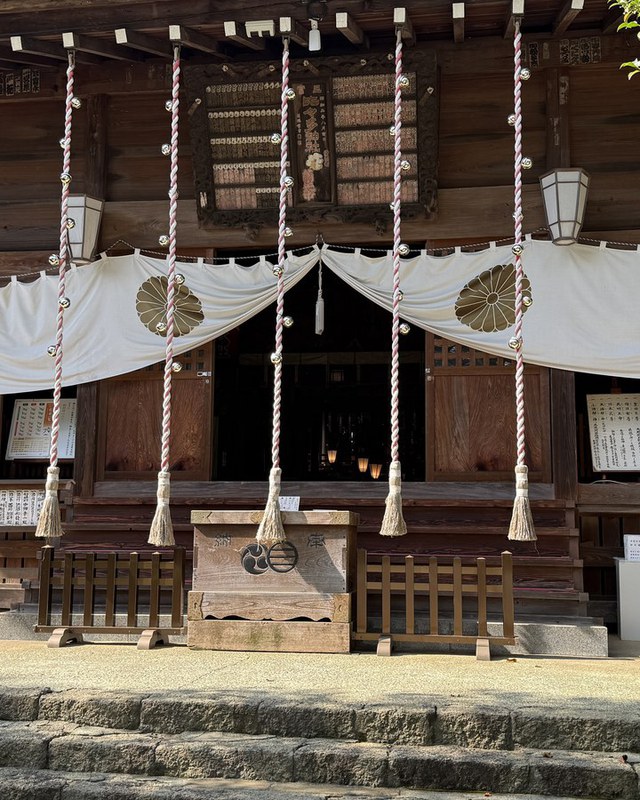
- Hibita JinjaThe sannomiya of Sagami Province. In the Zamondo, a ritual enactment of the dispute between the first and second shrines, its chief priest mediates with the words “let us leave it until next year”.
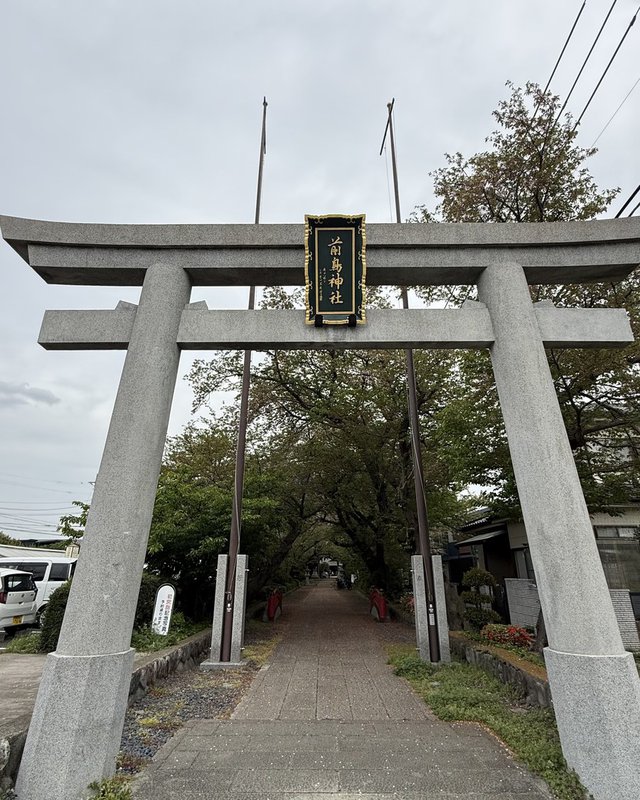
- Sakitori JinjaThe shinomiya of Sagami Province, in a district named Shinomiya. It enshrines a god of learning, and people pray here for success in entrance exams.
- Hakone JinjaGuardian shrine of the Kanto region. The Heiwa no Torii standing in Lake Ashi is its best-known sight, and Minamoto no Yoritomo was a devoted worshipper.
- Mishima TaishaThe ichinomiya of Izu Province and a former imperial shrine. Minamoto no Yoritomo prayed here for the revival of his clan while exiled in Izu, and continued to revere it deeply after raising his army.