← Back to map
EN日本語
Vermilion romon gate
Jingu Katori Jingu

Katori Jingu

Enshrined deityFutsunushi LocationKatori, Chiba
DeityFutsunushi
BlessingsMartial arts, decisive moments
FoundedTraditionally dated to the 18th year of Emperor Jimmu
Nearest stationJR Sawara + bus / car

Visited in person · Original photography

Origins and founding

Ichinomiya of Shimosa Province. It enshrines the god said to have been sent with Kashima's deity in the transfer-of-the-land myth. It is the head shrine of about 400 Katori shrines across Japan.
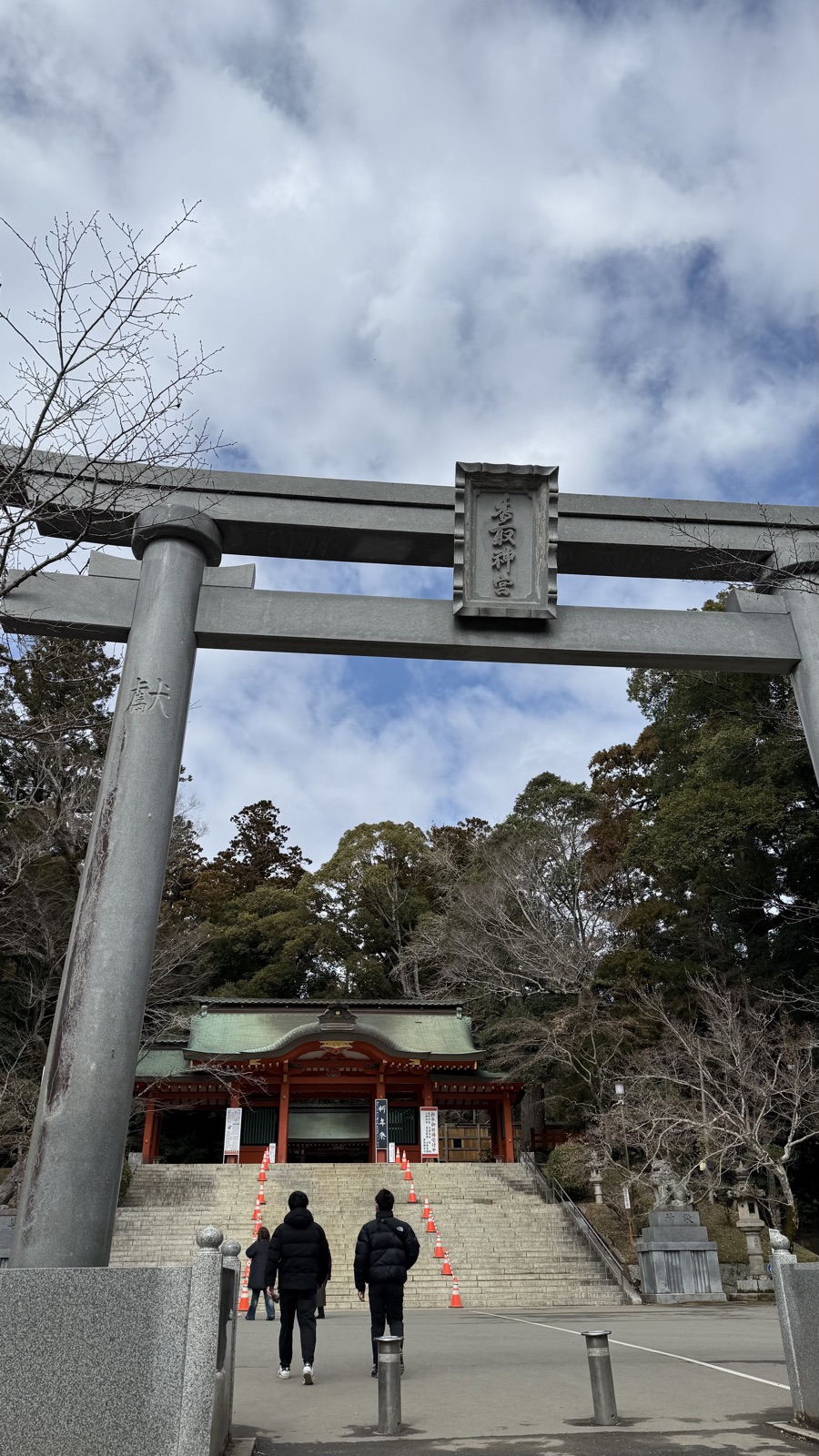
Romon gate seen through the large torii
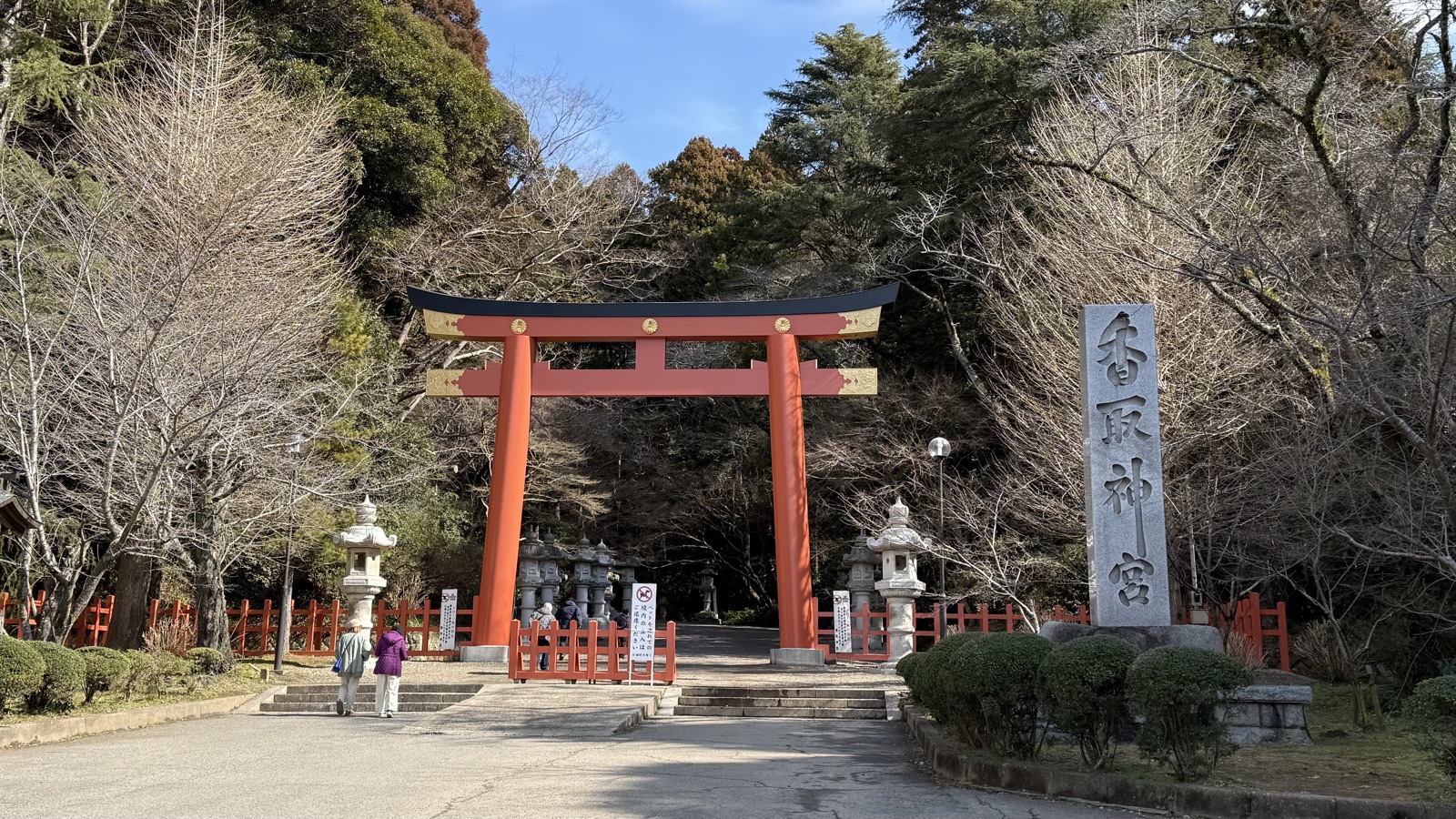
The "Katori Jingu" shrine-name marker and vermilion torii

What to see

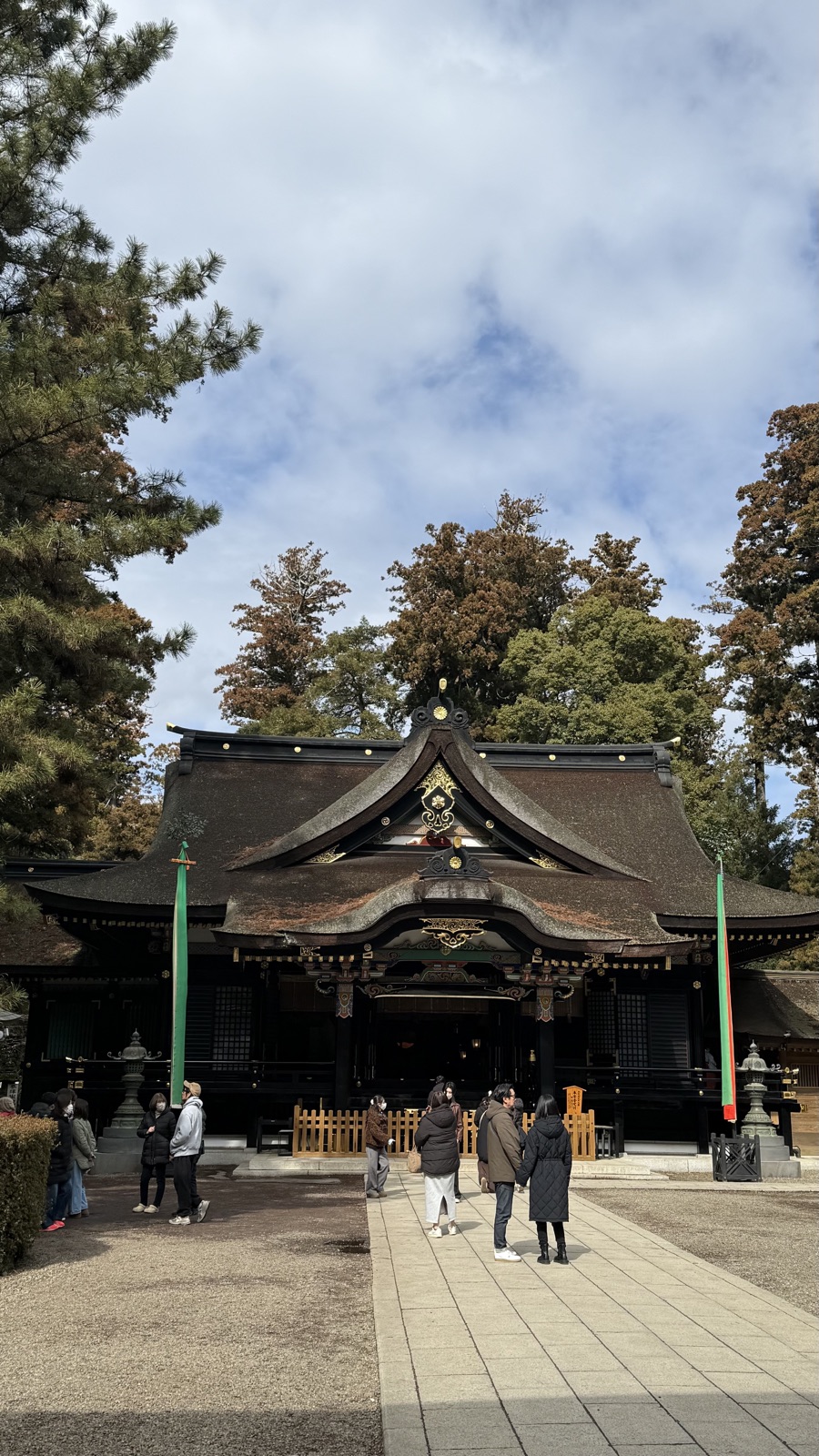
The black-lacquered main sanctuary, with a cypress-bark roof and said to date from the Genroku era / the cedar-lined approach / the Kaname-ishi — Kashima's is said to be convex, Katori's concave.
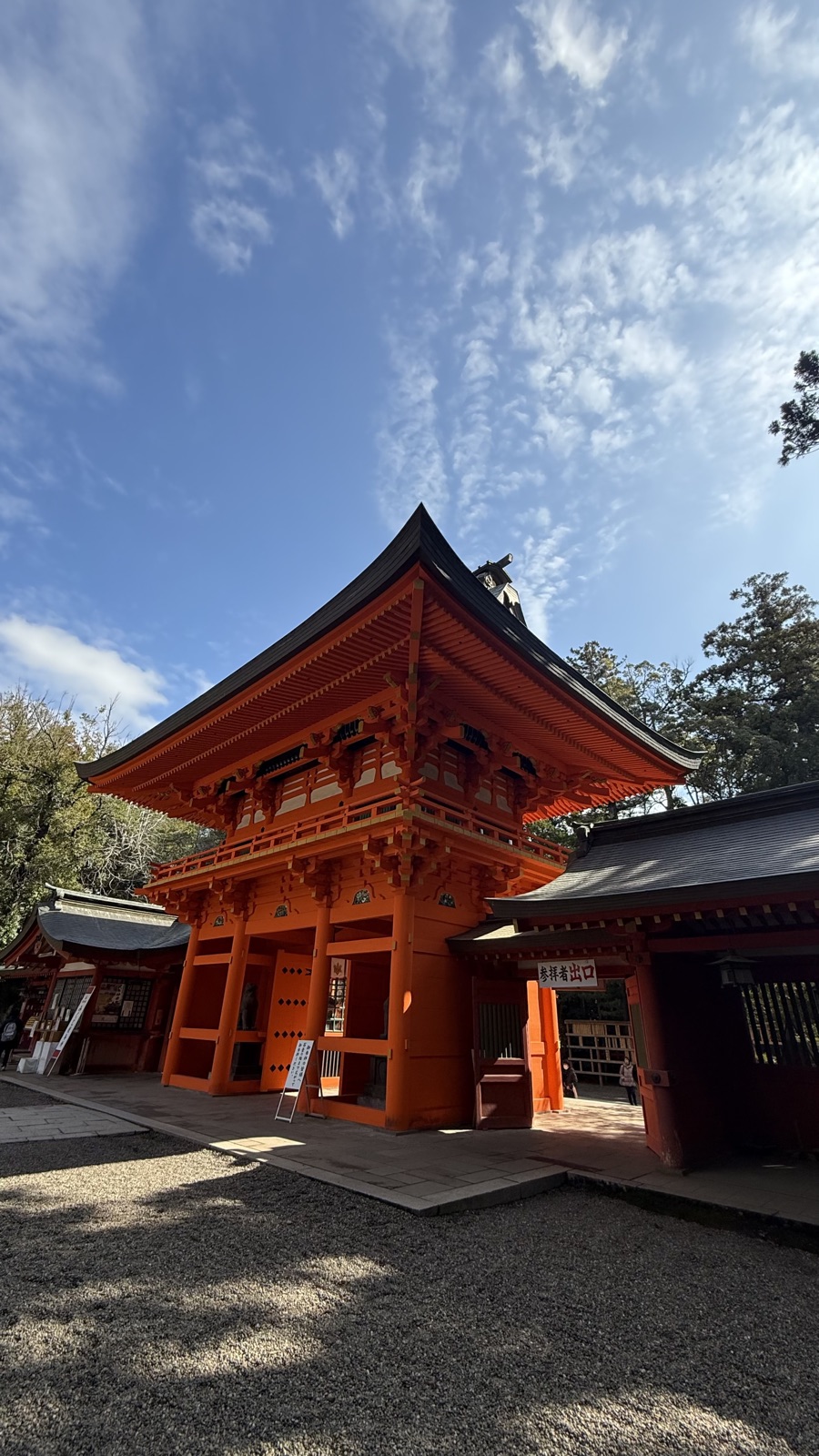
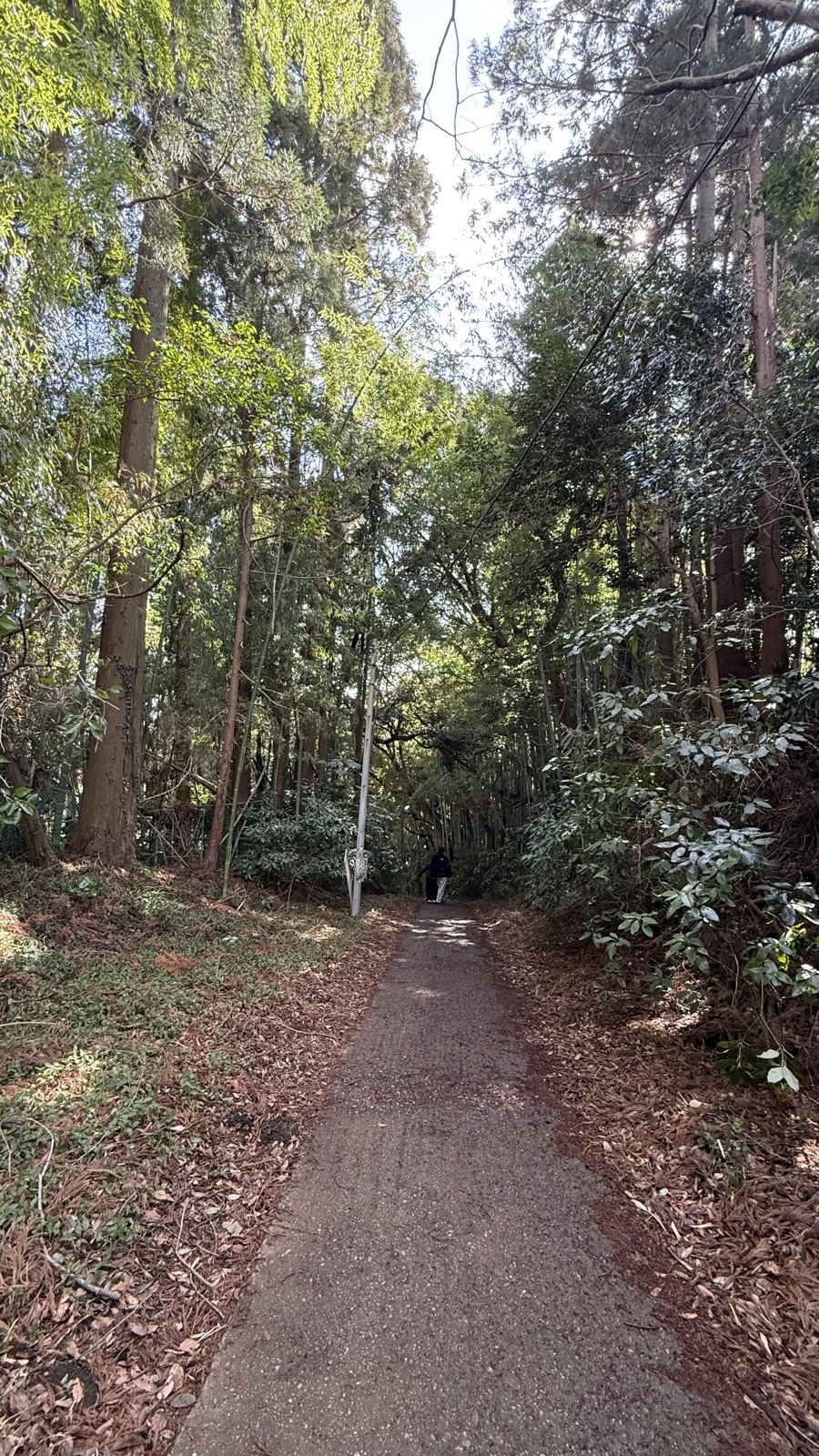
Vermilion romon gate
Sunlight filtering onto the approach
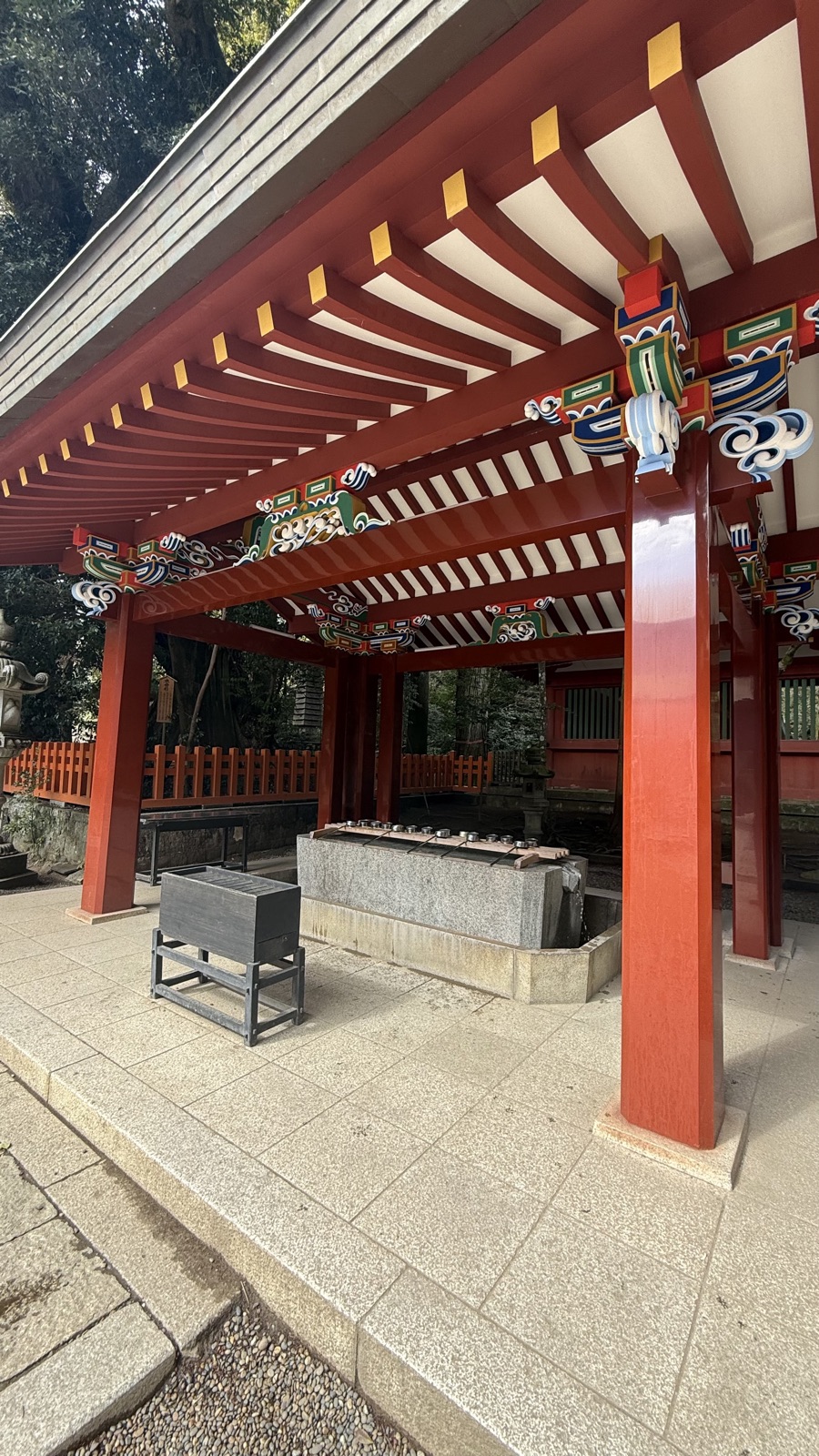
Vermilion chozuya
Black-lacquered main sanctuary
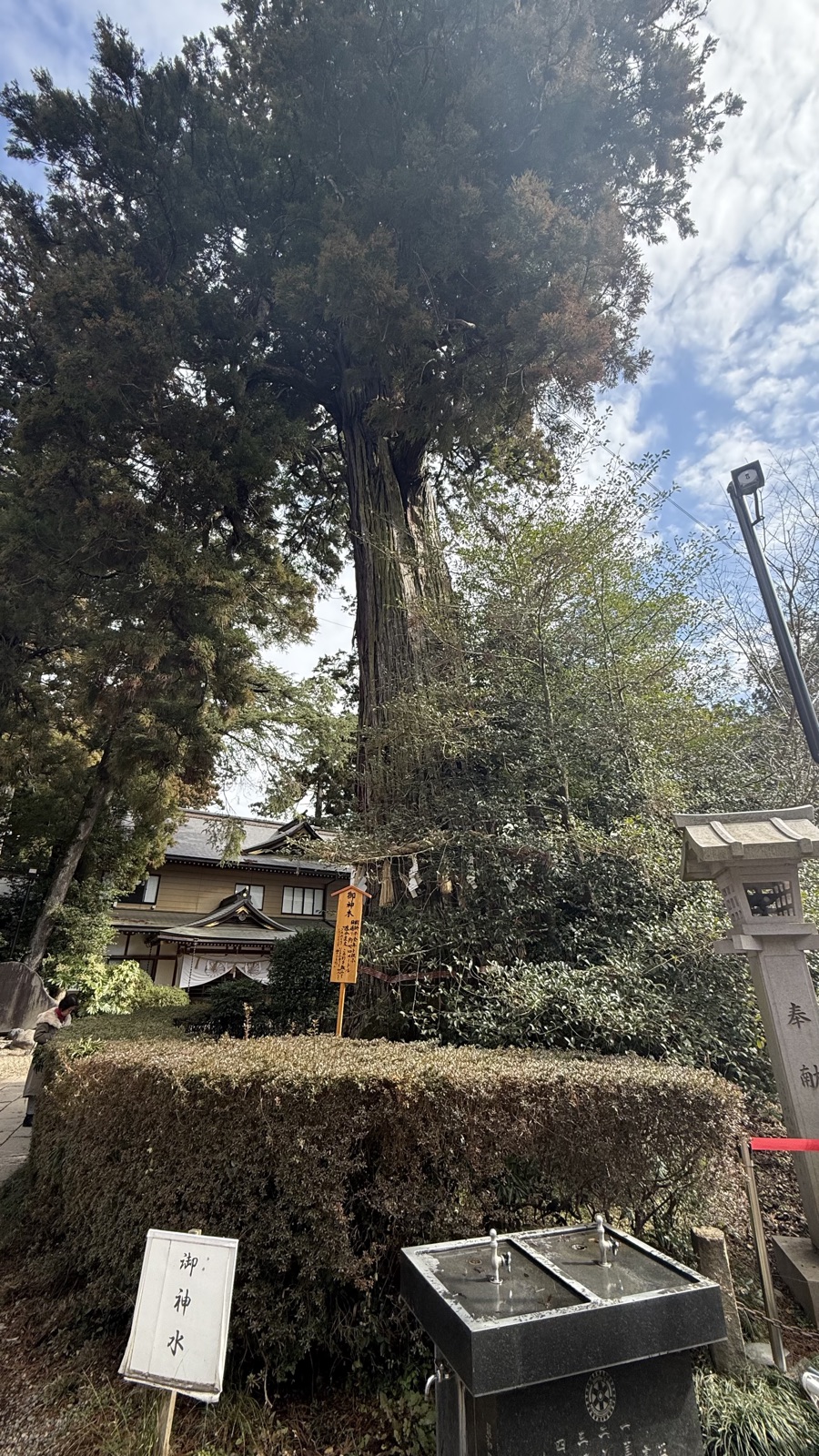
Sacred tree and sacred spring water

The large sacred cedar and a purification basin fed by sacred spring water.
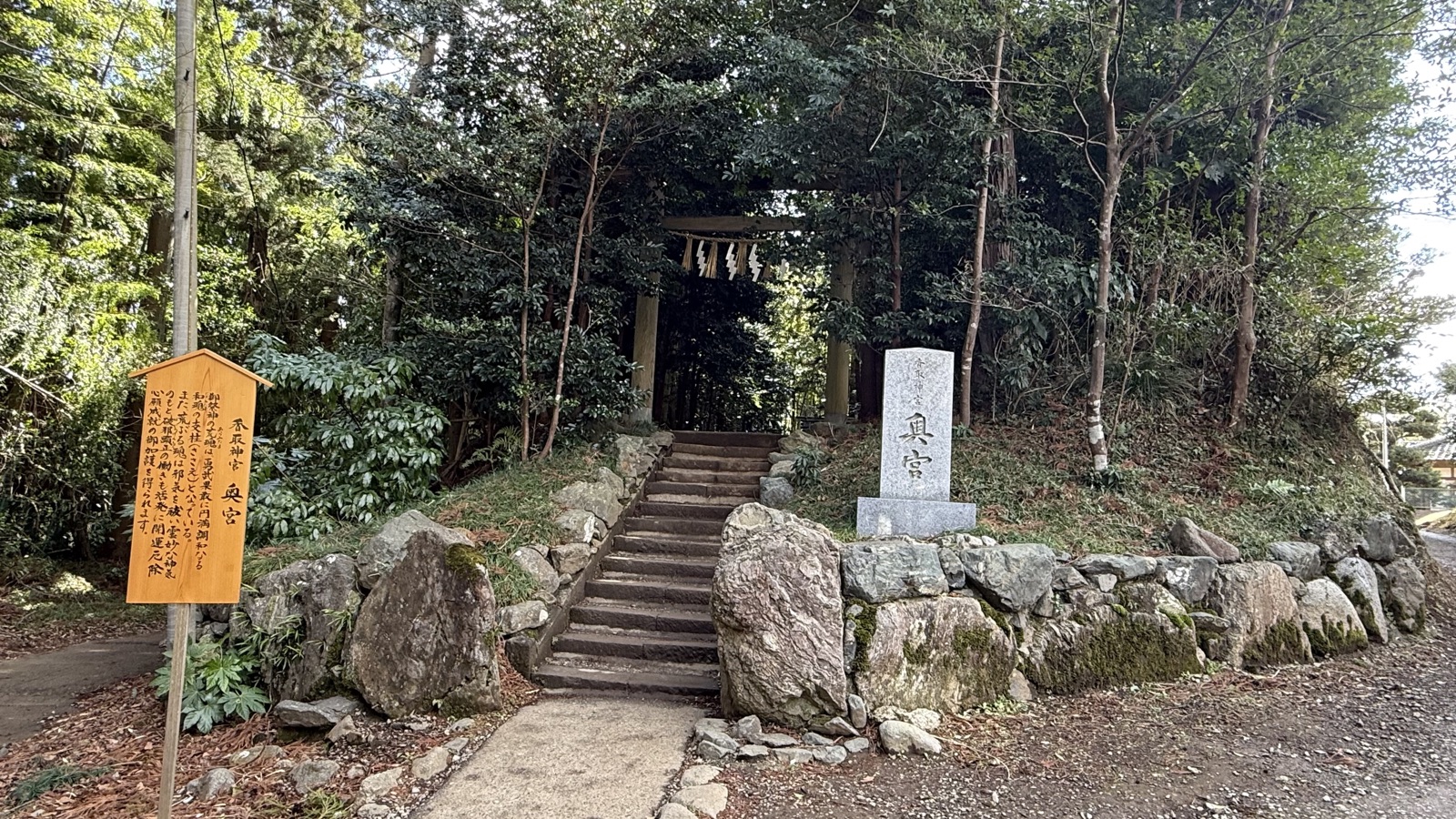
Stone steps leading to the Okumiya

Stone steps leading to the Okumiya.

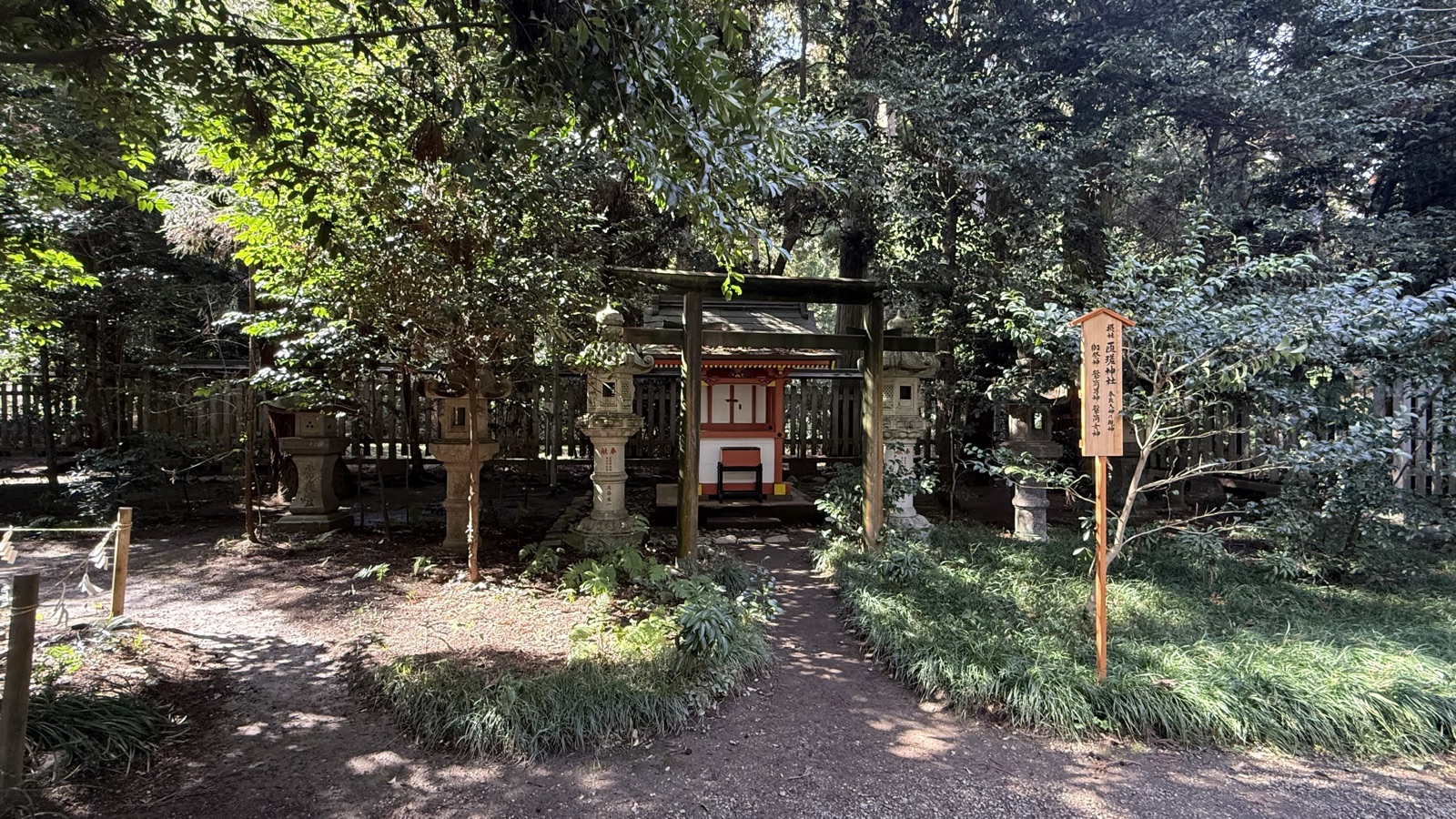
Subsidiary Sosa shrine

The subsidiary Sosa shrine. A small shrine building surrounded by stone lanterns.
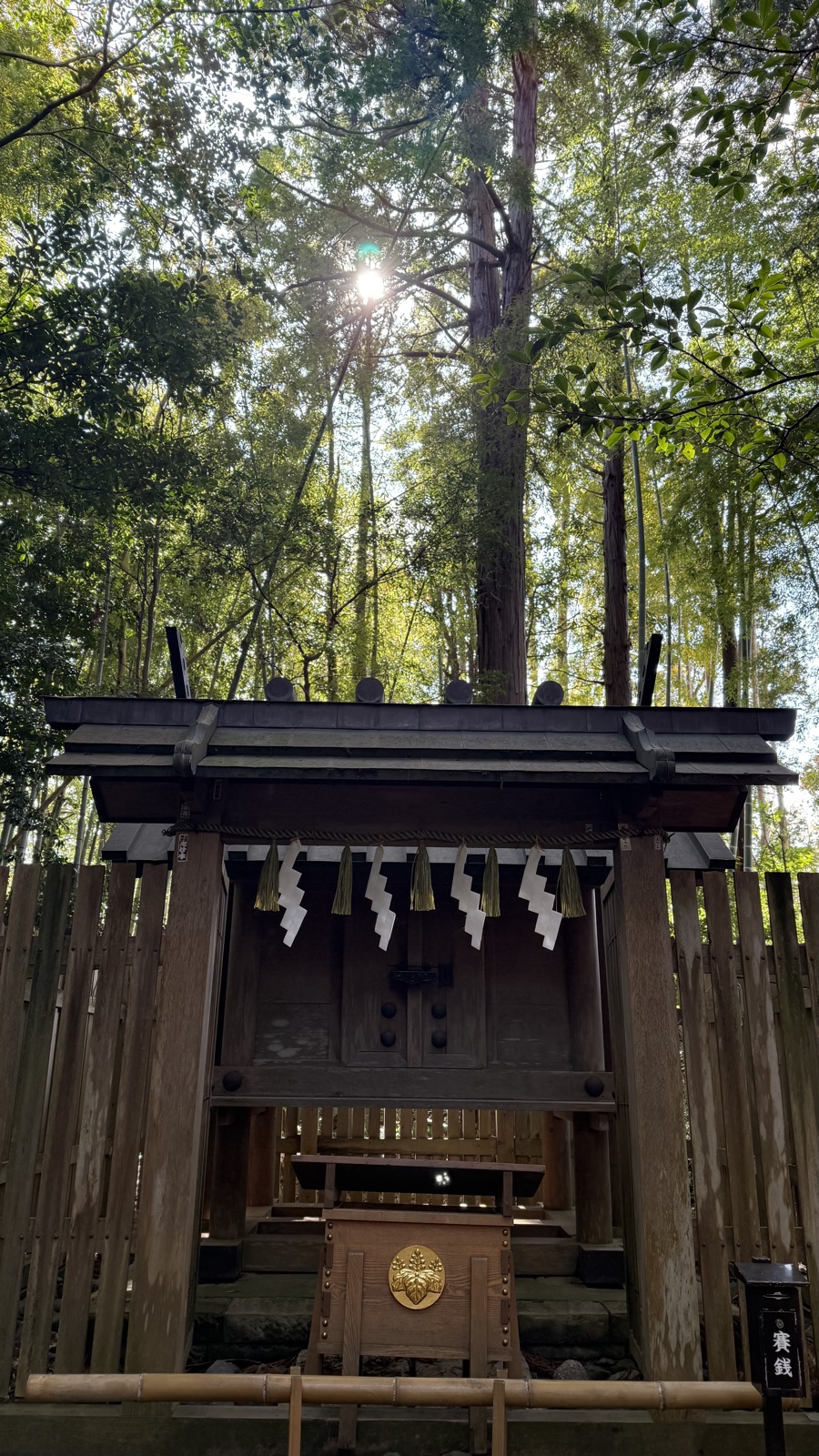
An auxiliary shrine lit through the trees
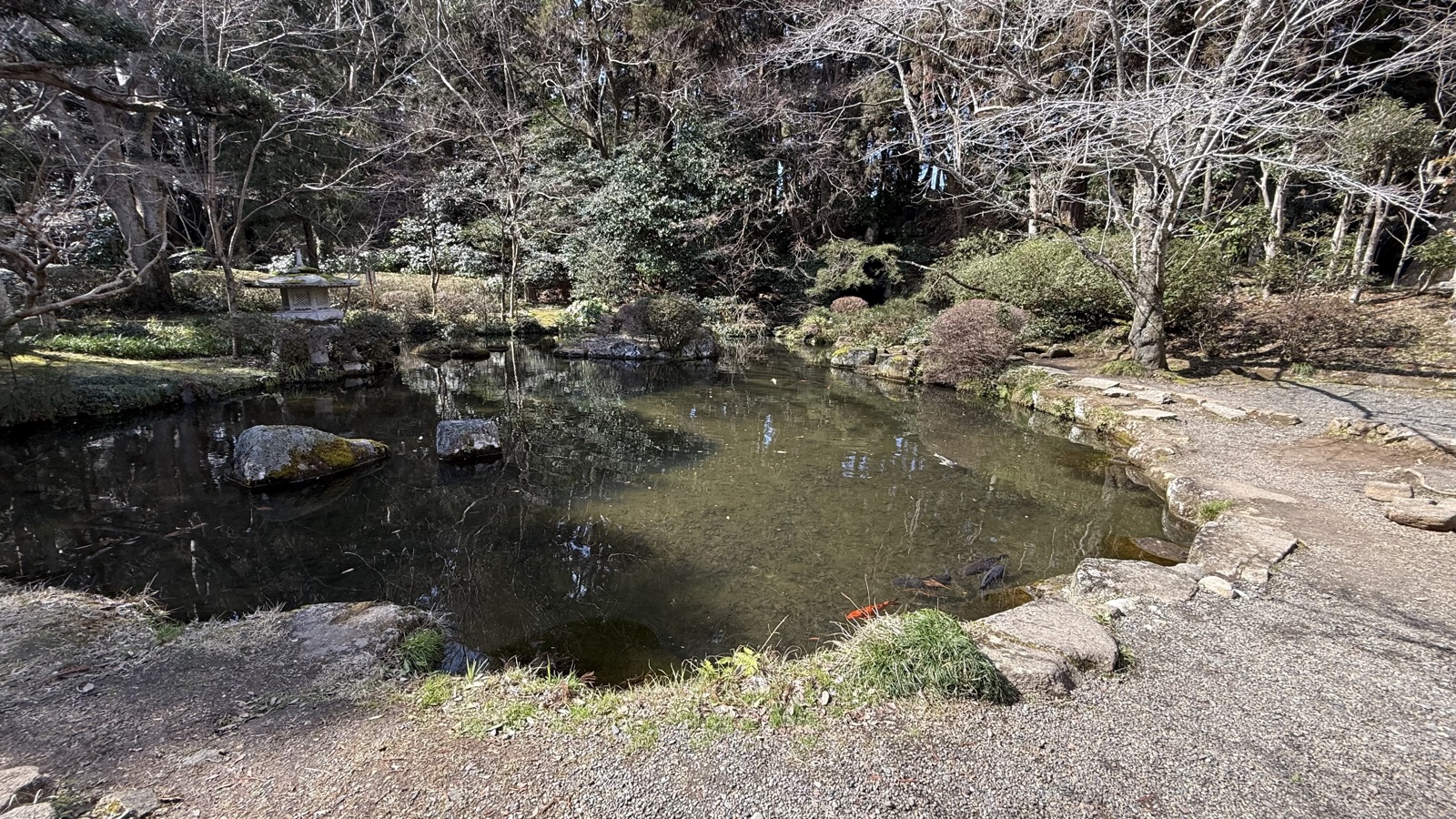
Pond garden with stone lanterns

Cultural context

Kashima, Katori and Ikisu are known as the Three Shrines of the East. They stand along key points of water transport in the Tone River system. Their gods are often enshrined in martial-arts dojo as warrior deities.

Share this pageSave to Pinterest
Next shrine

The other shrine paired in the transfer-of-the-land myth: Kashima Jingu.

Jingu Kashima Jingu Kashima Jingu

It enshrines the god sent with Katori's deity in the transfer-of-the-land myth. Its Kaname-ishi forms a pair with Katori's.

This areaShrines around TokyoTokyo

From central shrines within walking distance to suburban shrines that take half a day.