← Back to map
EN日本語
Lower shrine building and chinowa ring
Notable shrine Oyama Afuri Jinja

Oyama Afuri Jinja

Enshrined deitiesOyamatsumi and others LocationIsehara, Kanagawa
DeitiesOyamatsumi, the mountain god; Ikazuchi, the thunder god; Takaokami, the water god
BlessingsRain and water, business
FoundedTraditionally dated to the reign of Emperor Sujin
Nearest stationOdakyu Isehara + bus + cable car

Visited in person · Original photography

Origins and founding

Mount Oyama rises to 1,252 metres. It was called "Amefuri-yama", the rain mountain, and worshipped as a place for prayers for rain.
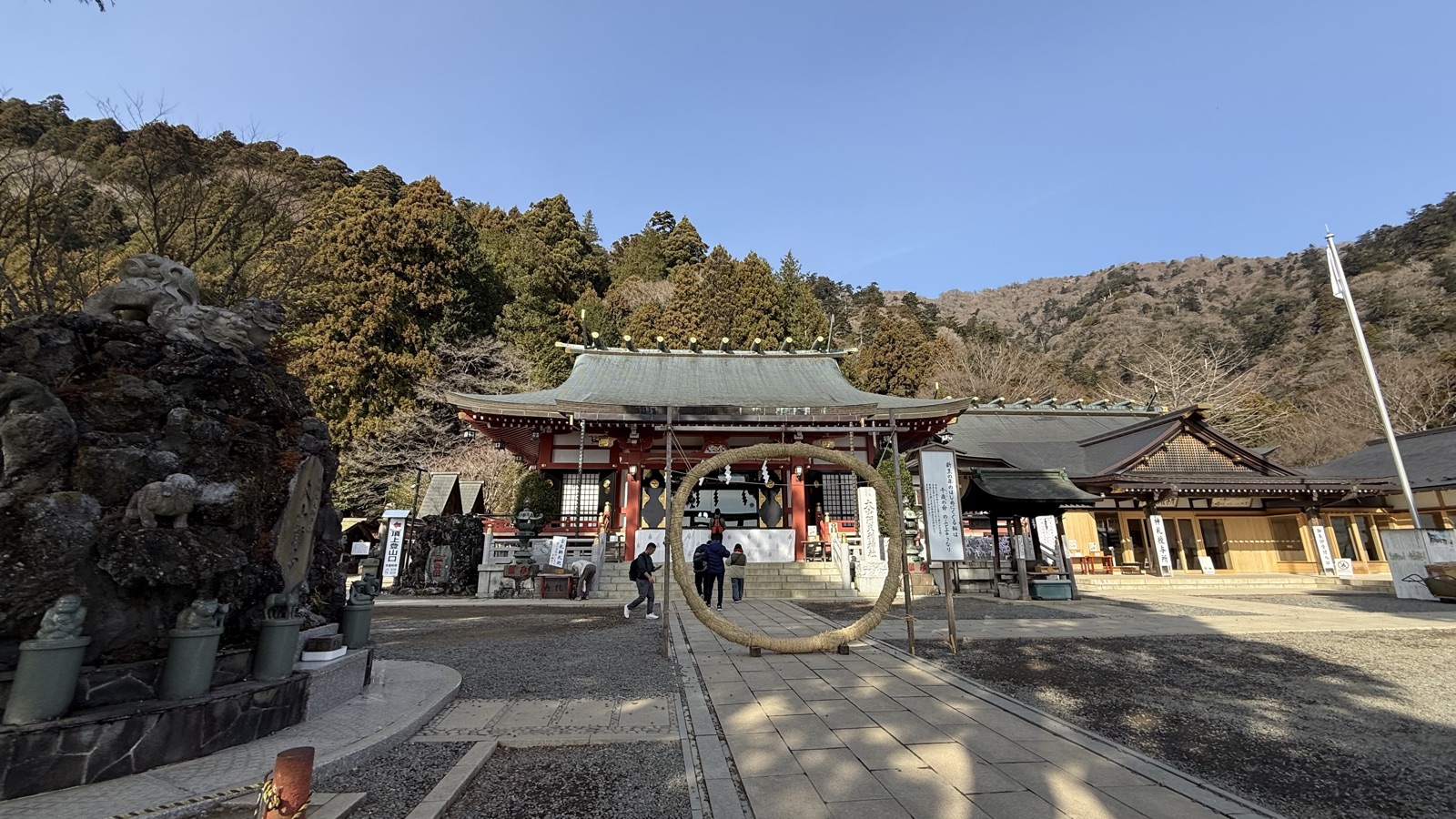
Lower shrine building and chinowa ring

The lower shrine building. A chinowa ring stands in front. The mountain carrying the upper shrine rises behind it.

What to see

The cable car reaches the lower shrine. The main shrine is said to be another 90 minutes on foot / views over Sagami Bay and Enoshima / Koma-sando, 362 stone steps lined with souvenir shops.
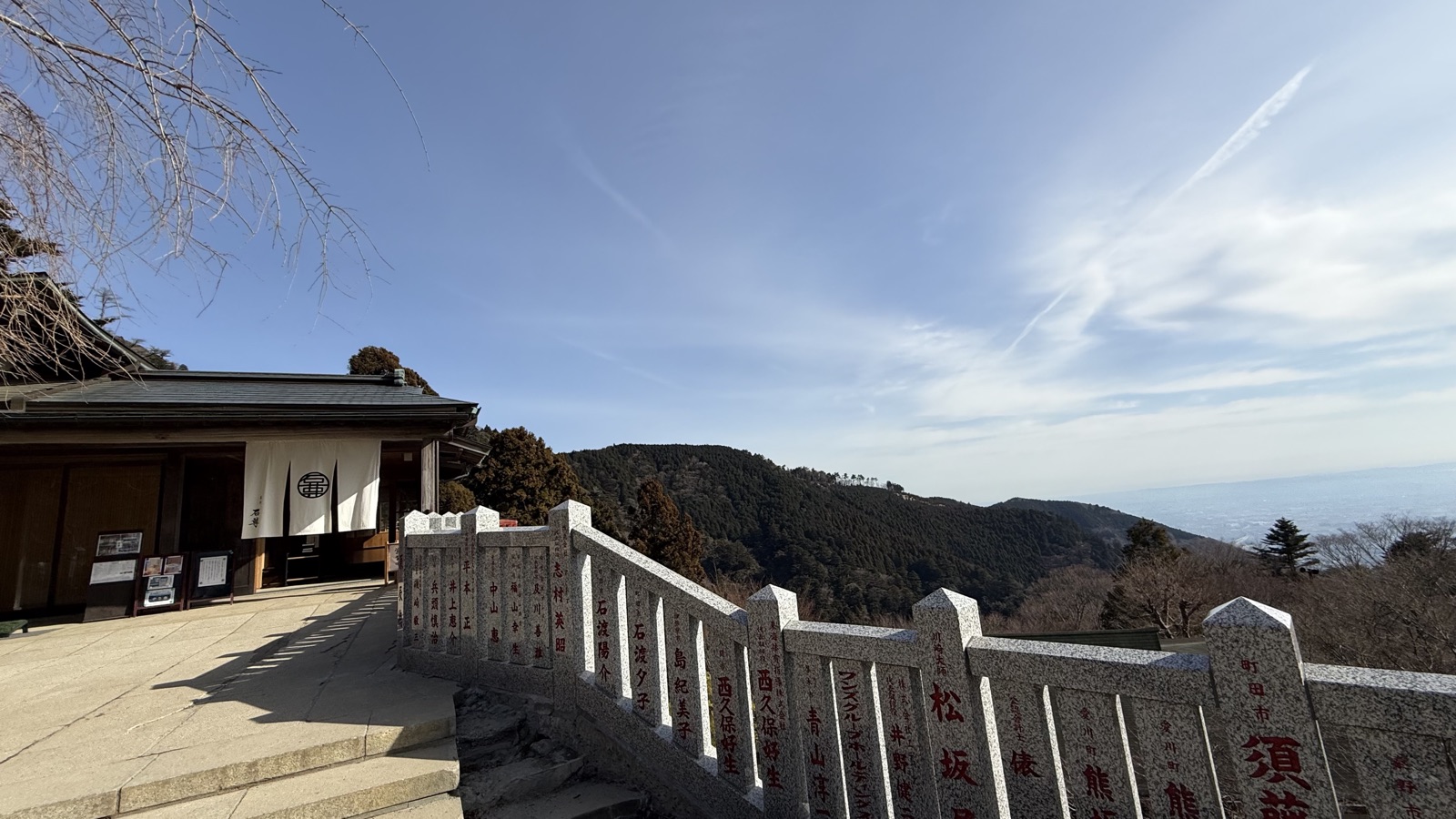
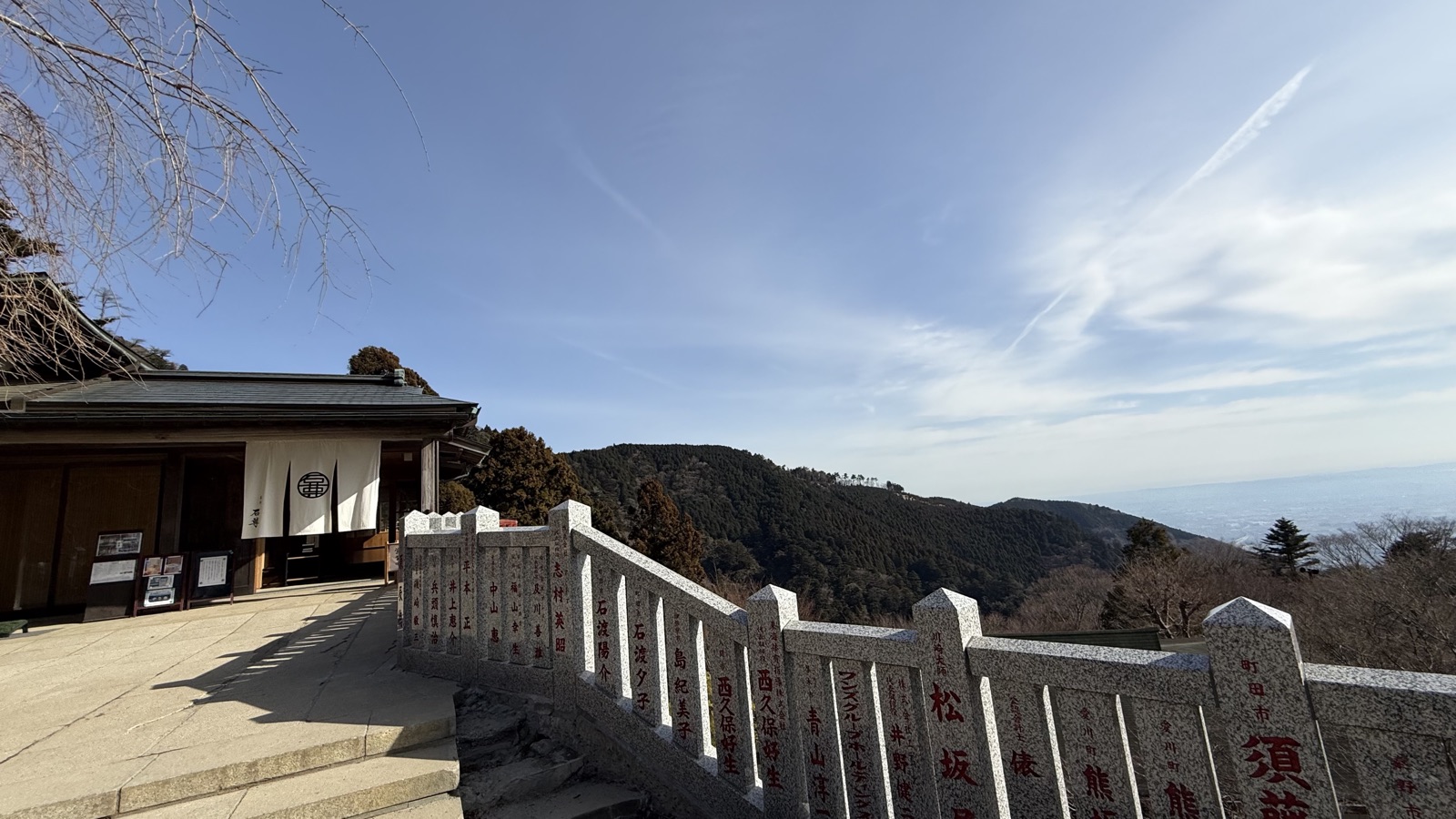
View from the shrine grounds
Mountains seen across a tamagaki fence

Mountains seen across a tamagaki fence carved with donors' names.
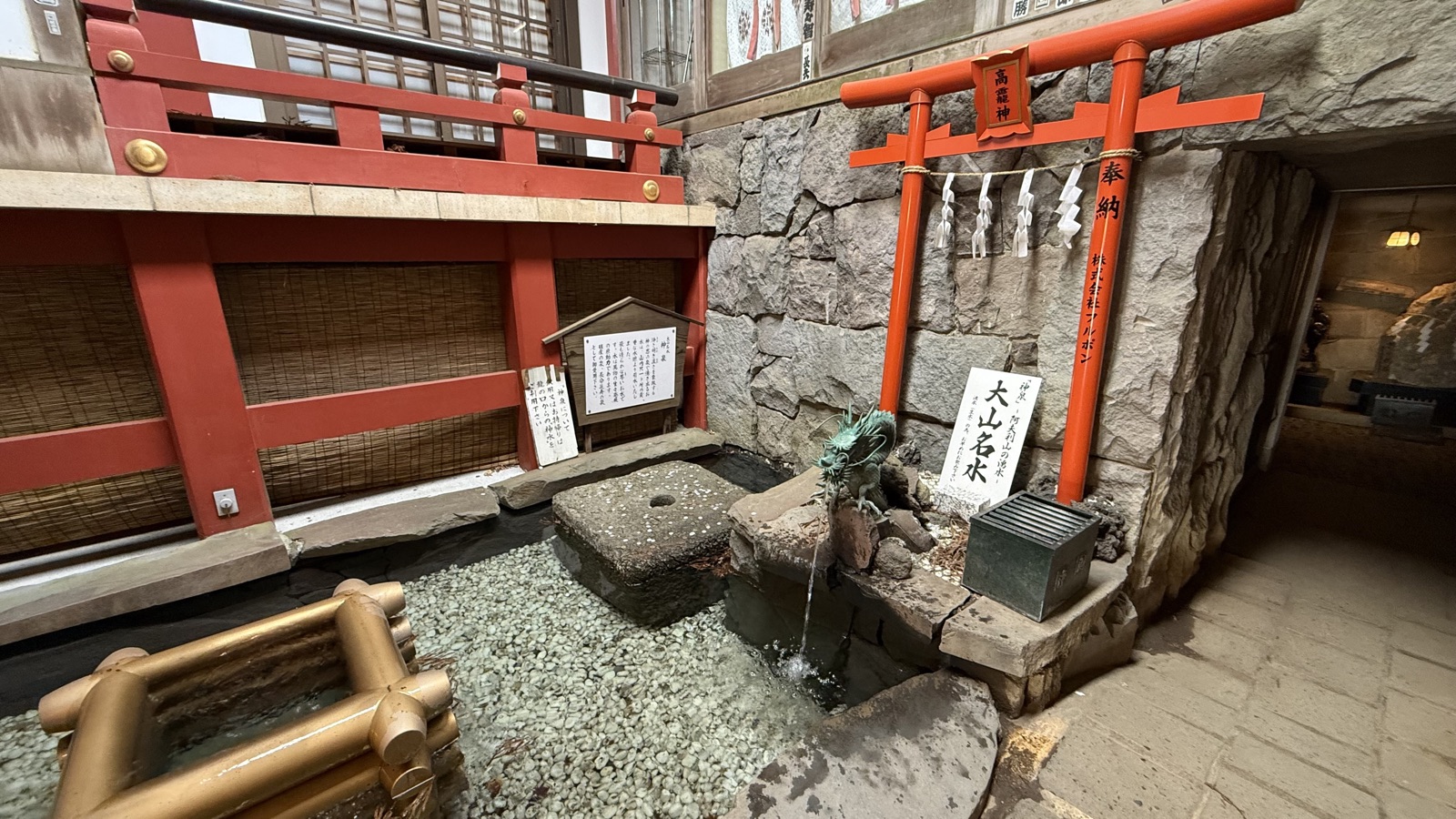
The "Oyama Meisui" spring and torii

The spring called "Oyama Meisui" and a torii. Water pours from a dragon's mouth.

Cultural context

The Oyama pilgrimage. About 200,000 people a year are said to have climbed the mountain in the Edo period. It was pilgrimage as popular travel, built on the same pattern as journeys to Ise (→ article Japan and its shrines).

Share this pageSave to Pinterest
Next shrine

At the far western side of the outer Tokyo ring. Distant links also run to Kashima Jingu, Katori Jingu and Samukawa Jinja in the east and south.

Ichinomiya Samukawa Jinja Samukawa Jinja

A shrine said to be unique in Japan for happo-yoke, protection from misfortune in every direction. Also in Kanagawa.

This areaShrines around TokyoTokyo

From central shrines within walking distance to suburban shrines that take half a day.