Mount Fuji
3 shrines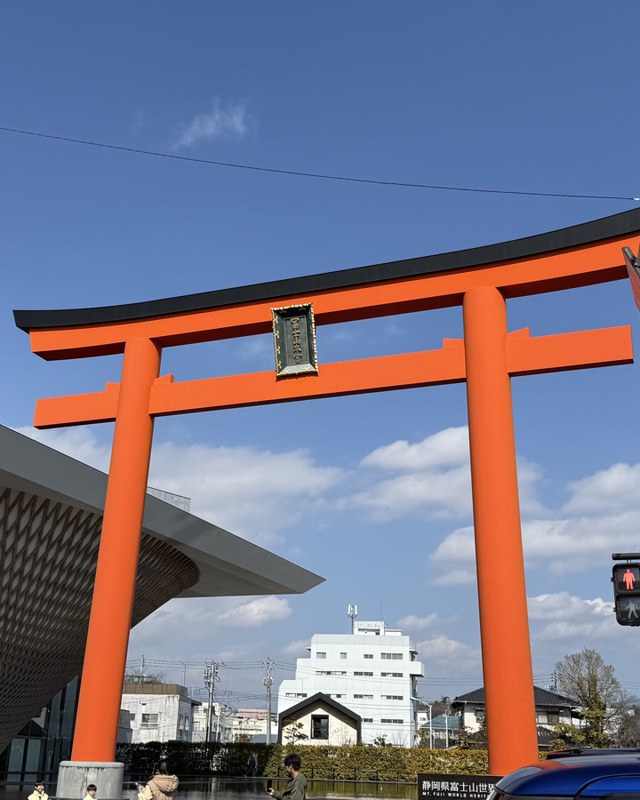
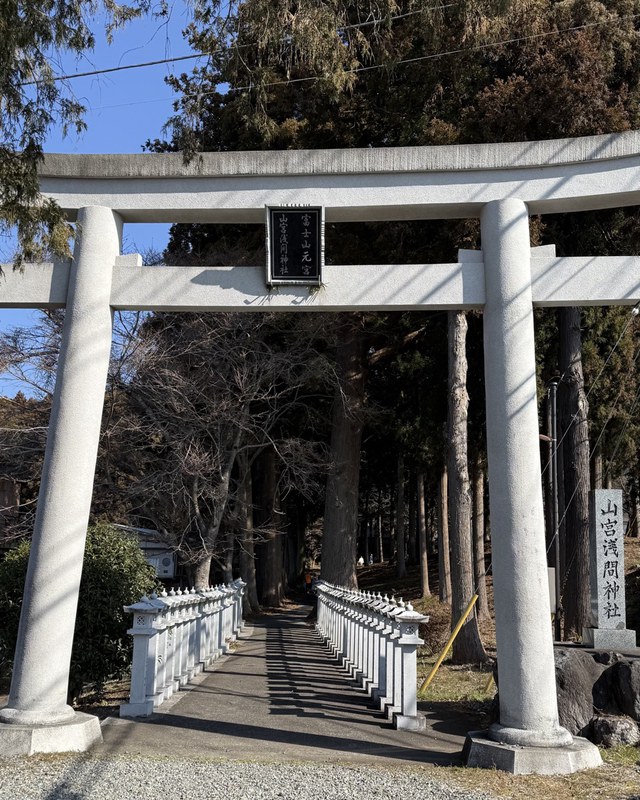
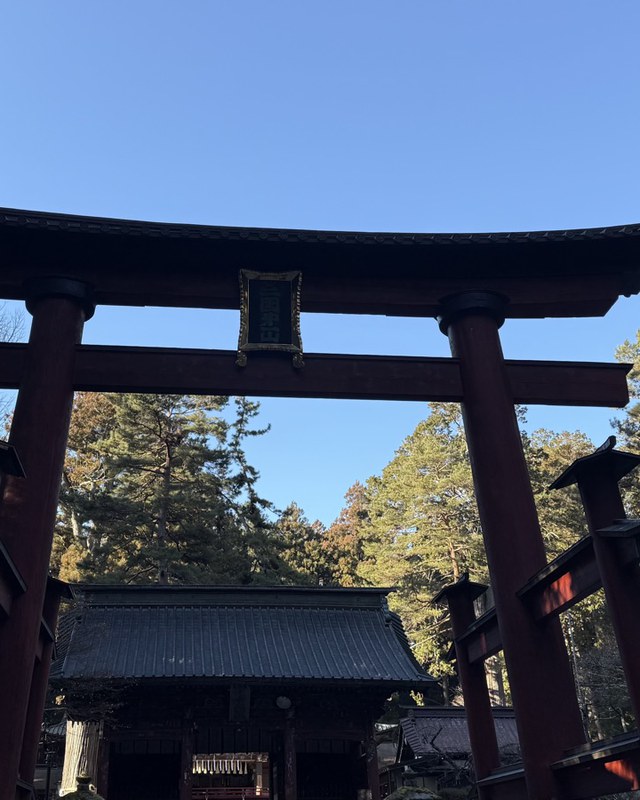
A shrine that calms the mountain, a shrine that worships it from afar, and a shrine for climbing it: three shrines around Mount Fuji.
- Fujisan Hongu Sengen TaishaThe head shrine of the Sengen shrines, of which more than 1,300 are said to exist across Japan. The main sanctuary, in the two-storey Sengen-zukuri style, was built under Tokugawa Ieyasu.
- Yamamiya Sengen JinjaRegarded as the original shrine of Fujisan Hongu Sengen Taisha. It has no main hall; Mount Fuji itself is worshipped from the worship site.
- Kitaguchi Hongu Fuji Sengen JinjaOn the northern side of Mount Fuji, at the start of the Yoshida climbing route. It grew up as a shrine for climbing the mountain.
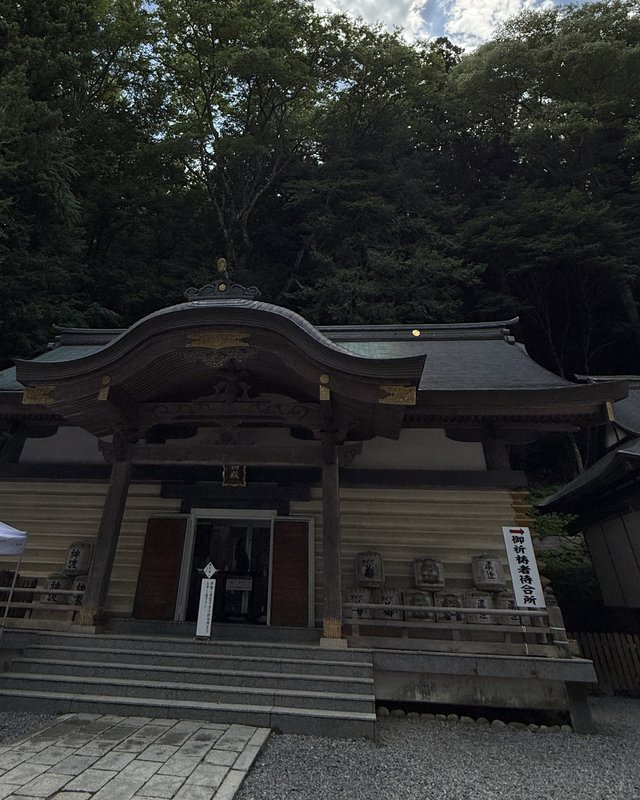
The ichinomiya of Shinano Province, and the head shrine of the Suwa shrines across Japan.
- Suwa TaishaFour shrines make one: Honmiya and Maemiya of the Upper Shrine, Harumiya and Akimiya of the Lower. Honmiya, Harumiya and Akimiya have no main sanctuary.
Hida · Takayama
2 shrines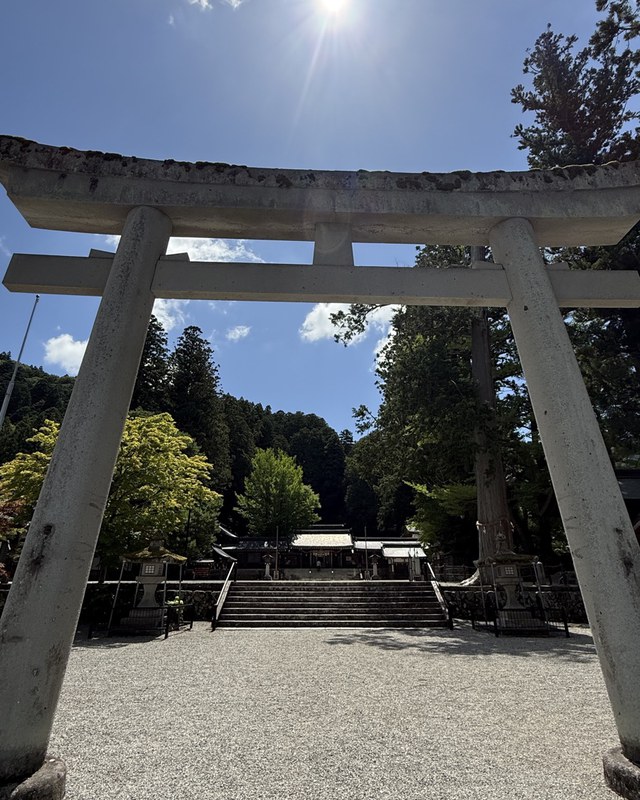
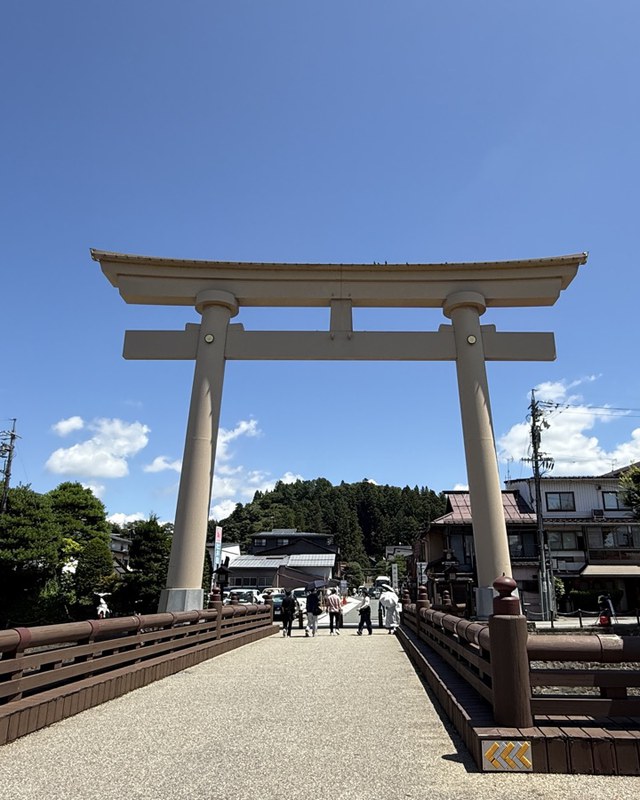
The ichinomiya of Hida Province and the shrine of the autumn Takayama Festival, which divide the town of Takayama between them.
- Minashi JinjaThe ichinomiya of Hida Province. The principal deity is Mitoshi no Okami. The mountain behind, Kuraiyama, is its sacred object.
- Sakurayama HachimanguThe guardian shrine of the northern half of Takayama. At the autumn Takayama Festival (the Hachiman Festival), eleven floats are paraded together.
Mino
2 shrines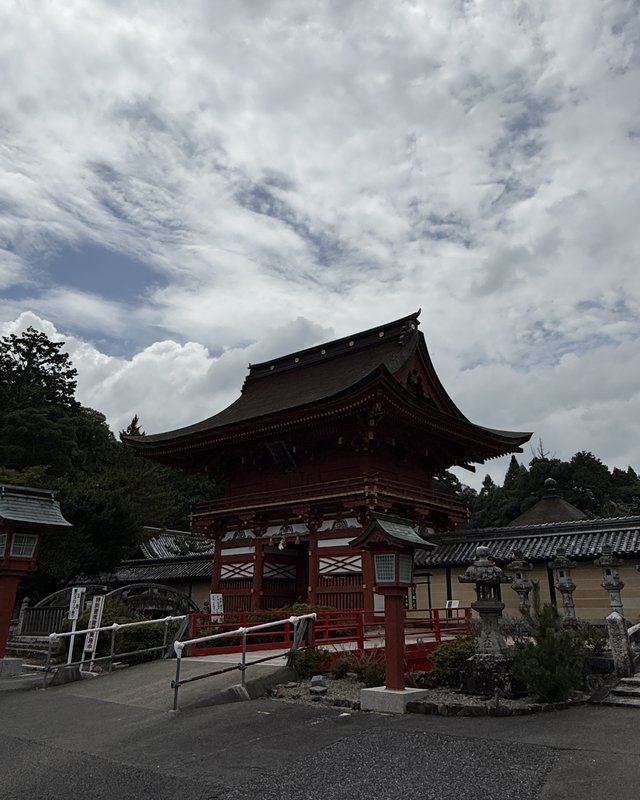
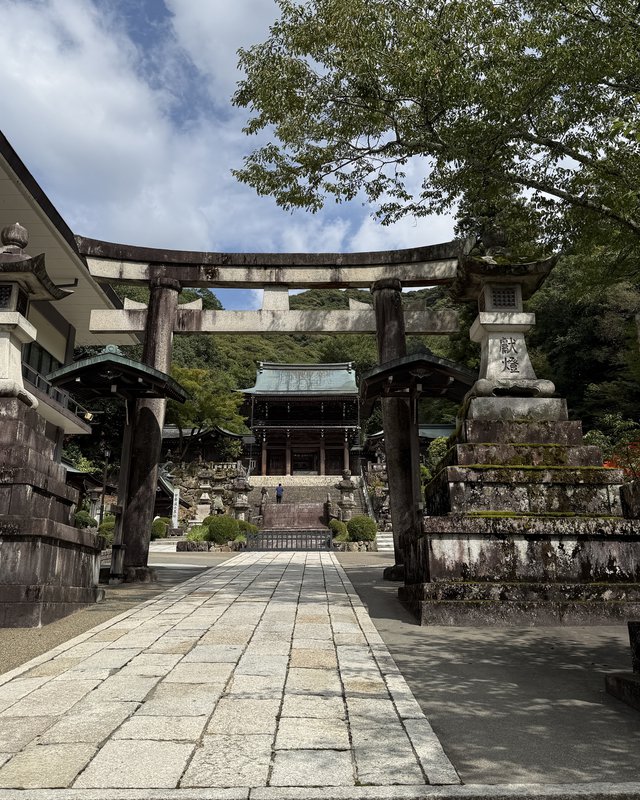
A head shrine of metalworking, and a god who guards against water: two shrines of Mino.
- Nangu TaishaThe ichinomiya of Mino Province. The enshrined Kanayamahiko Okami is the god of iron ore and mining; metalworkers and blacksmiths come from across the country.
- Inaba JinjaIn 1539, when Saito Dosan made Mount Inaba his stronghold, the shrine was moved to the foot of the mountain. A god who guards against water, in a land surrounded by the Ibi, Nagara and Kiso rivers.
Owari
2 shrines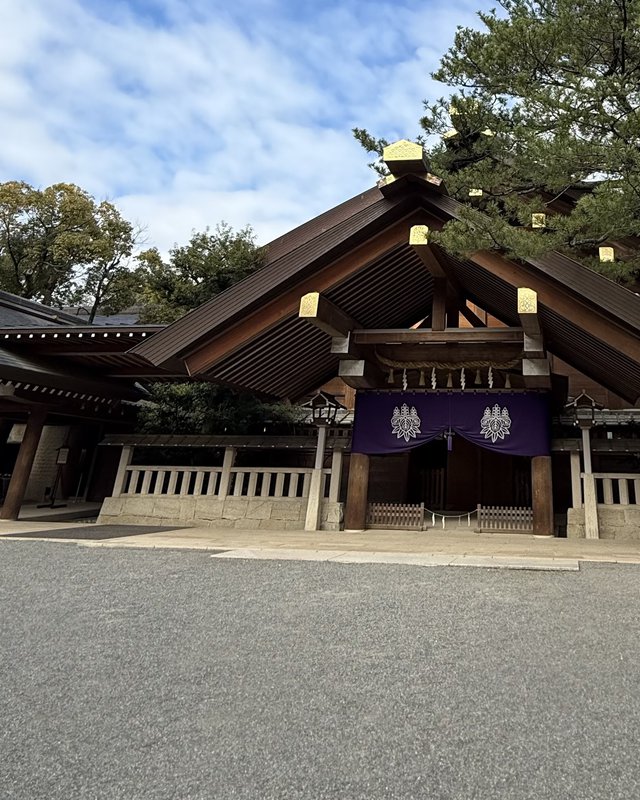
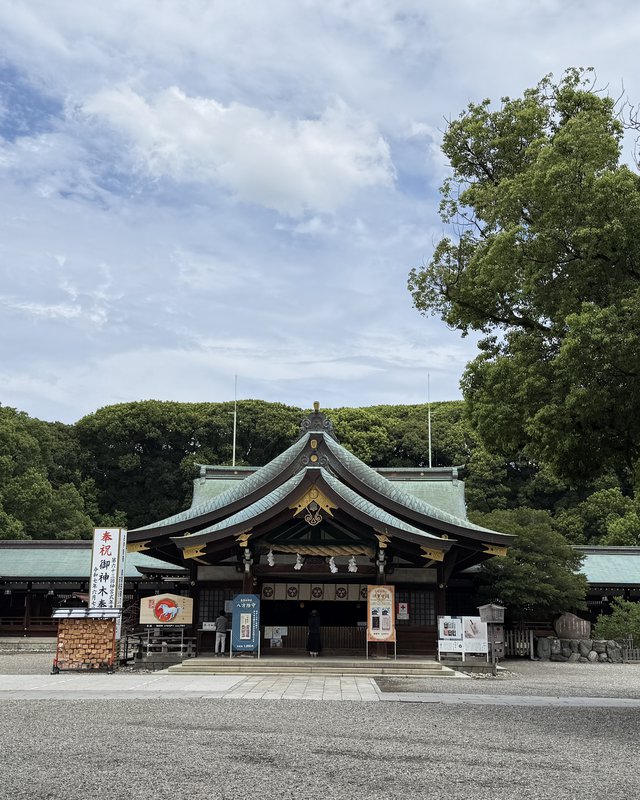
The Jingu that enshrines the sword of the imperial regalia, and the ichinomiya of Owari Province.
- Atsuta JinguIt enshrines Kusanagi, the sacred sword and one of the Three Sacred Treasures. A Myojin Taisha in the Engishiki and a chokusaisha.
- Masumida JinjaThe ichinomiya of Owari Province. The rank of “ichinomiya” became the name of the city itself.
Ise
2 shrines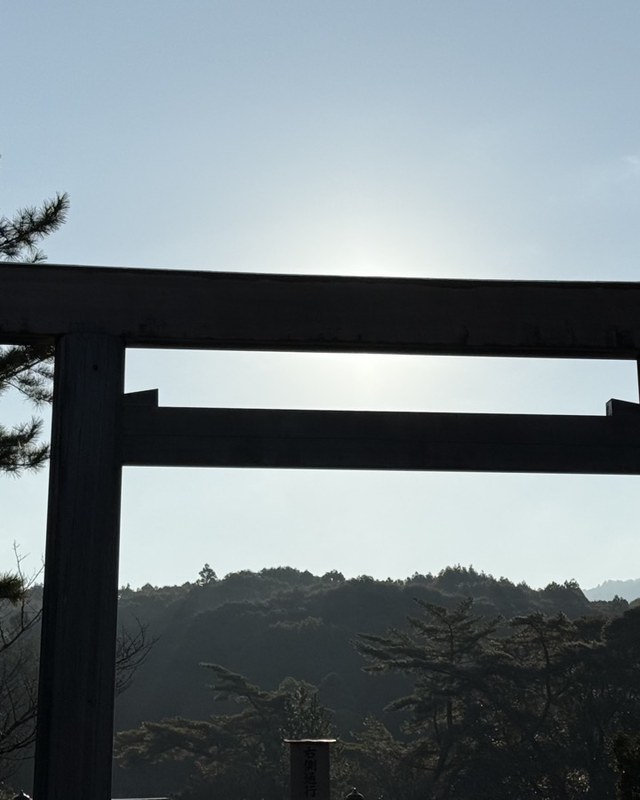
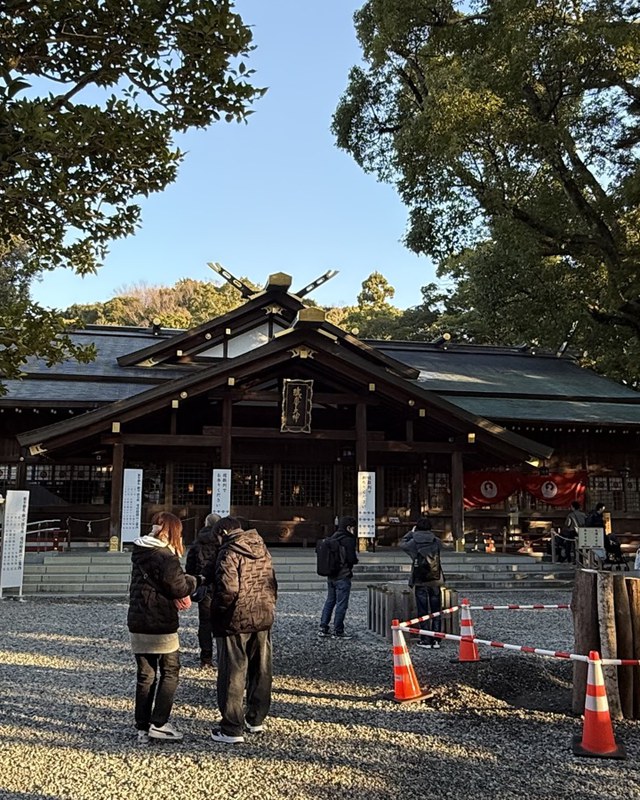
Ise Jingu, which rebuilds its sanctuary every twenty years, and Sarutahiko Jinja, which enshrines the god who opens the way.
- Ise JinguThe Inner and Outer Shrines. Shikinen Sengu, the rebuilding of the sanctuary every twenty years, has continued since the Asuka period.
- Sarutahiko JinjaThe god who opens the way. The Uji-Doko family, said to be his descendants, have been chief priests for generations. Some visit before starting a business, changing jobs or moving house.