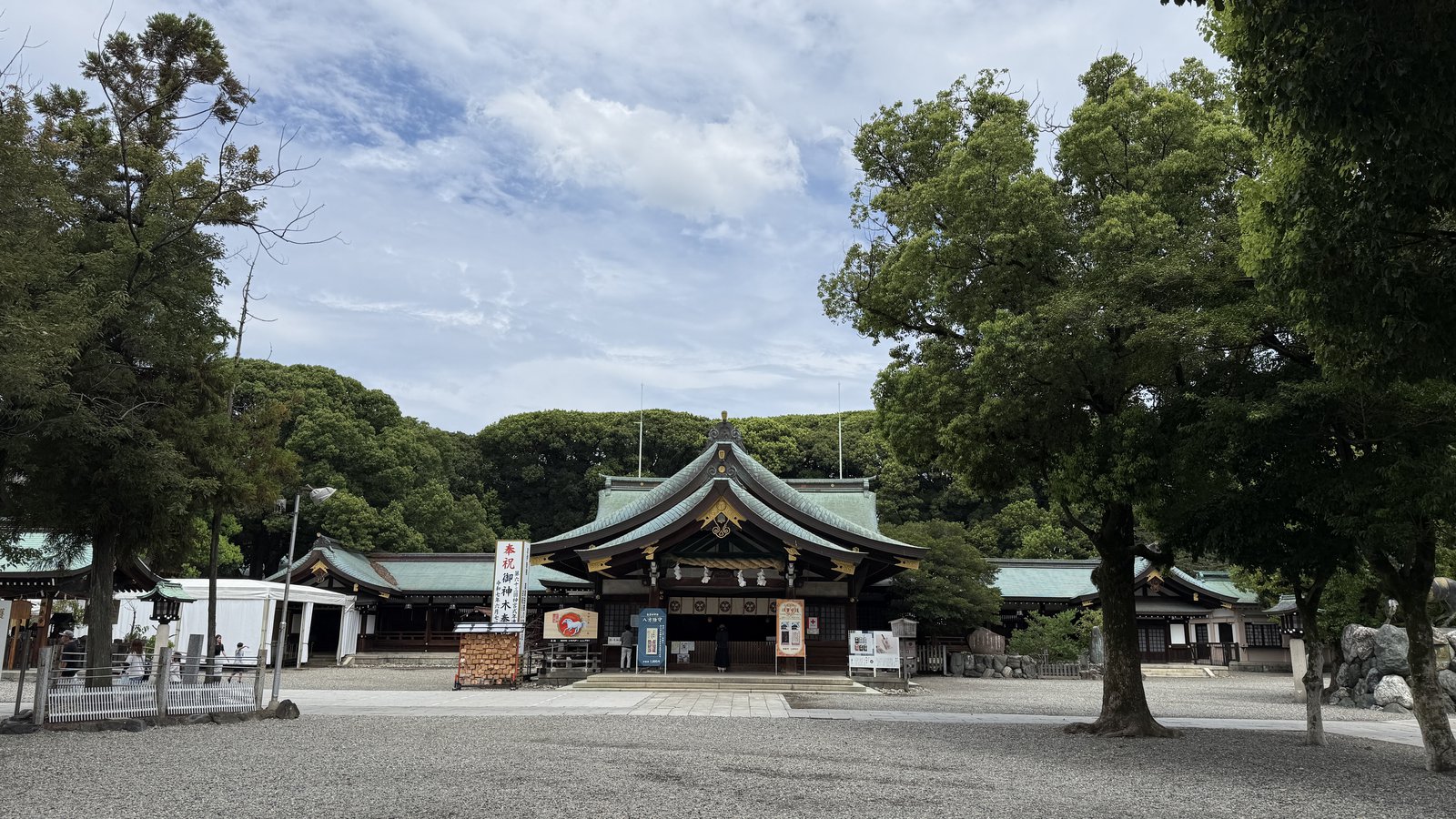
Visited in person · Original photography
Origins and founding
The ichinomiya, or first-ranked shrine, of Owari Province. It enshrines Amenohoakari, regarded as the ancestor who opened up Owari. According to the shrine’s tradition, it was established in the 33rd year of Emperor Jimmu. In the Heian period it became a Myojin Taisha with the court rank of Shoshii-jo, and in 1914 (Taisho 3) it was made a national shrine of the middle rank (kokuhei chusha).
The shrine buildings were destroyed in the wartime air raids of 1945 (Showa 20) and rebuilt in 1957 (Showa 32). The main sanctuary is in the nagare-zukuri style, and the main sanctuary and its connecting corridor are registered tangible cultural properties (2006).
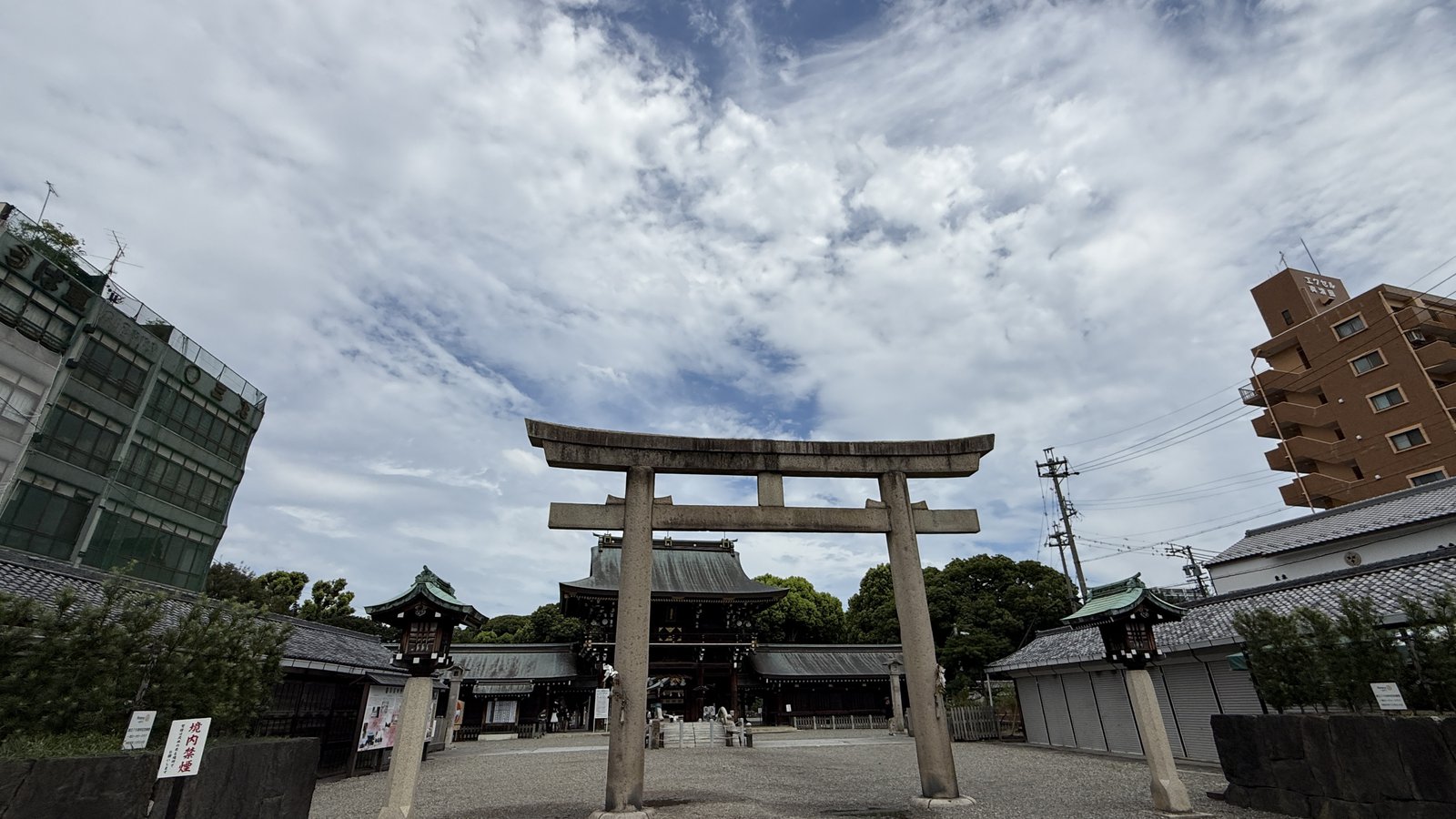
A torii, with the shrine buildings beyond.
What to see
The two-storey gate. The buildings around the main hall, under a line of green copper roofs. The vermilion bridge over the pond, and the vermilion torii beyond it. Under the eaves of one building hangs a plaque reading “Hatori Okami”. Beside a small shrine in the grounds stands a fox statue.
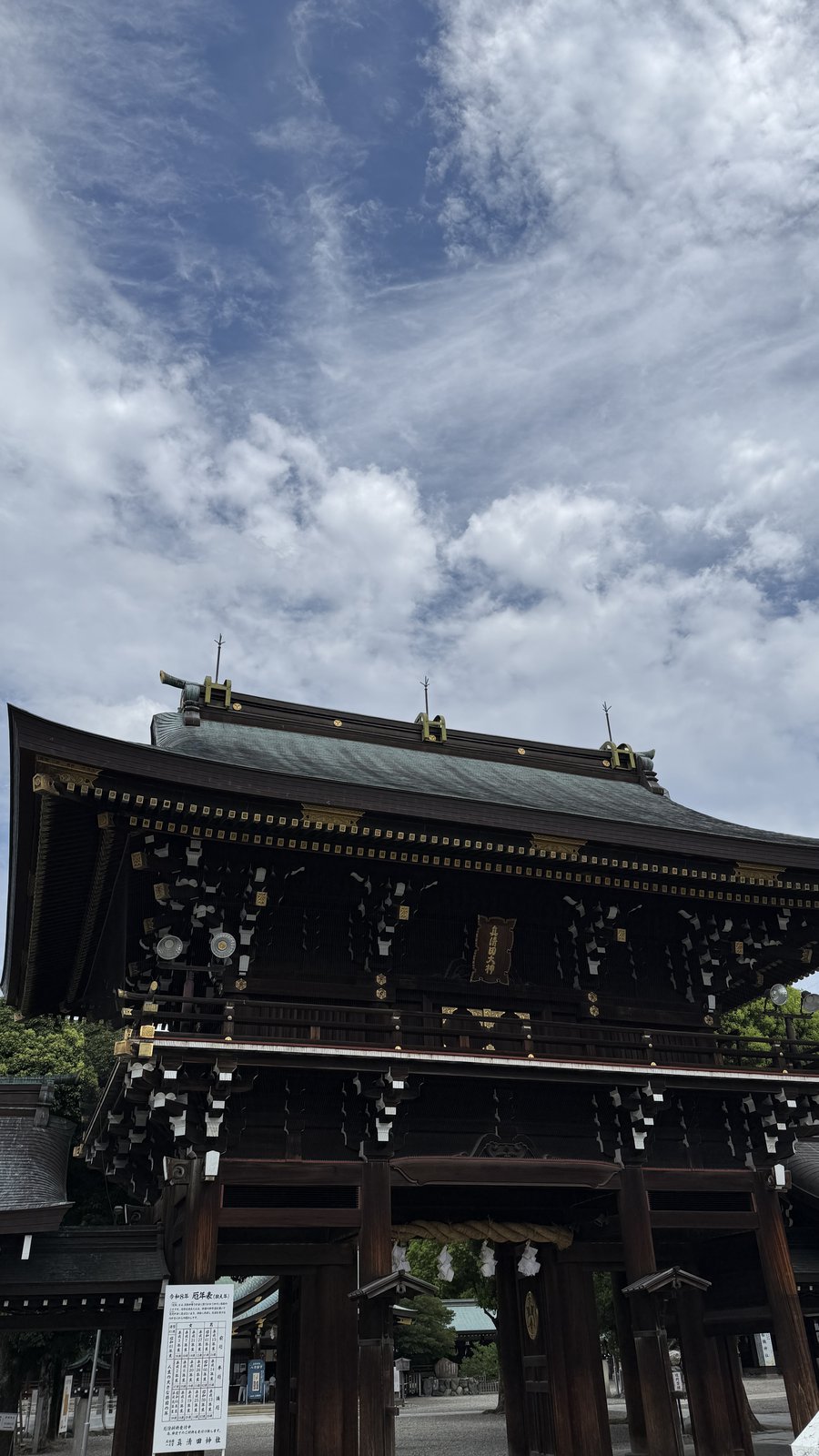
The two-storey gate.
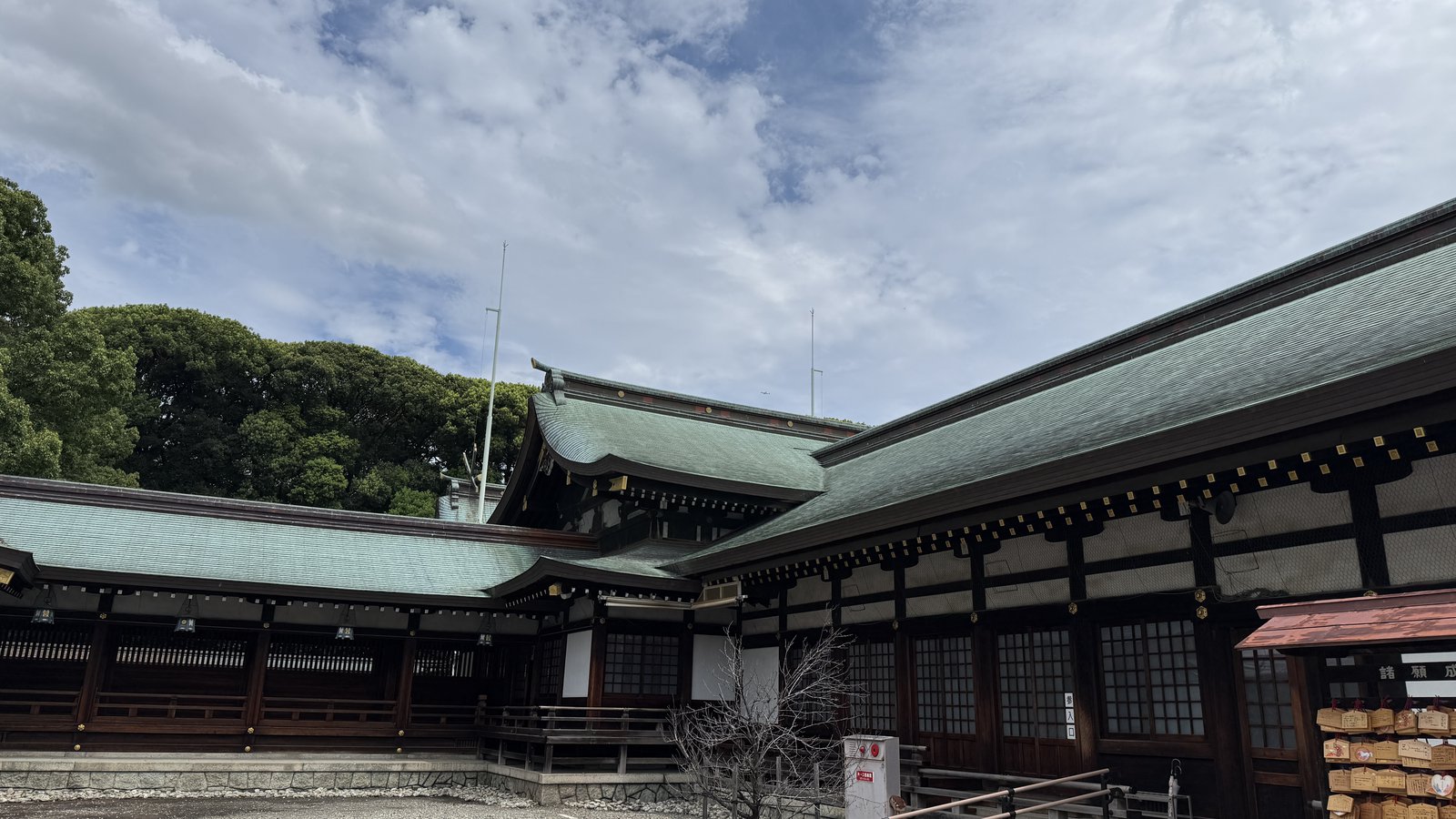
A line of buildings under green copper roofs.
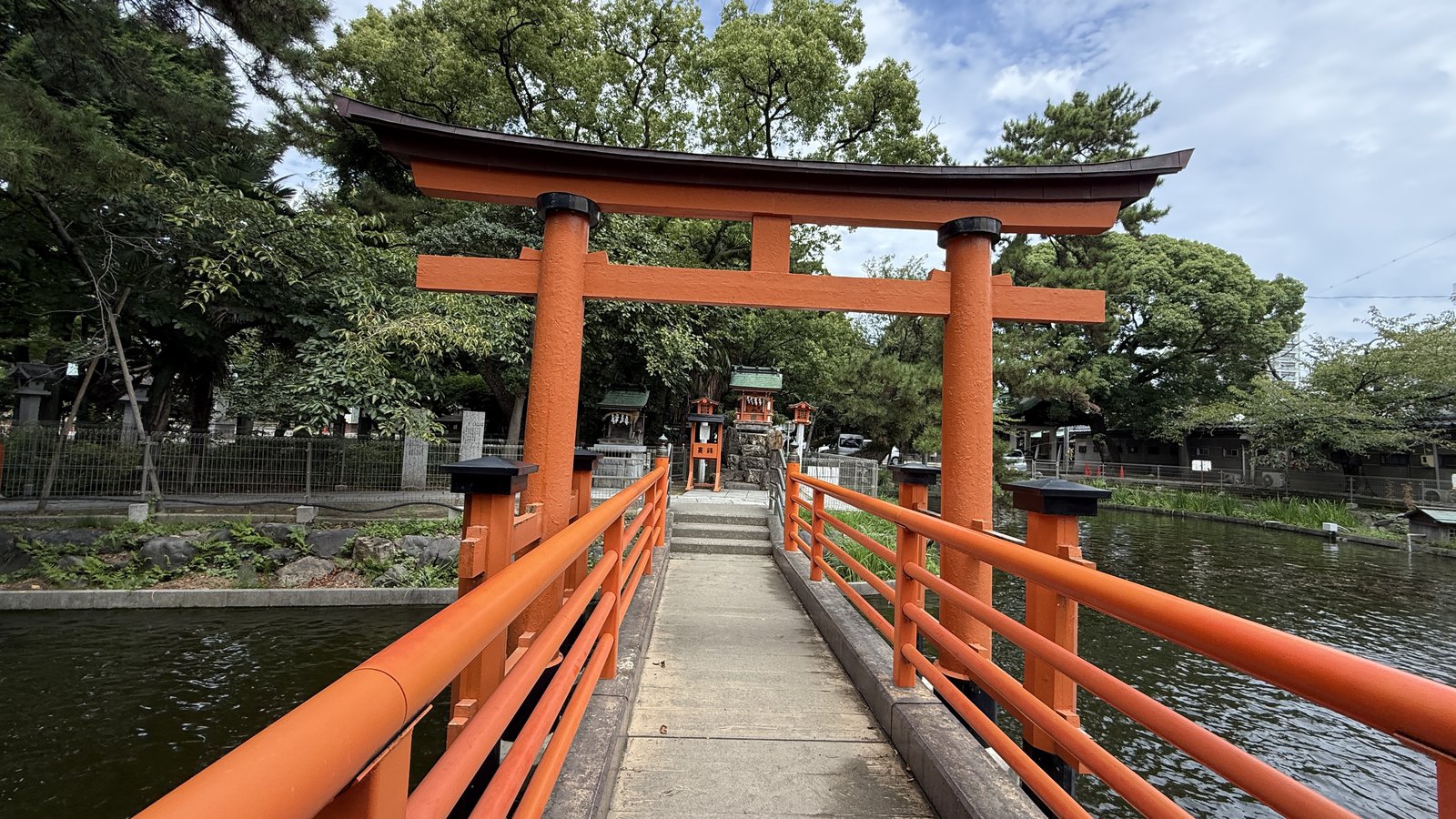
The vermilion bridge over the pond, and the torii beyond it.
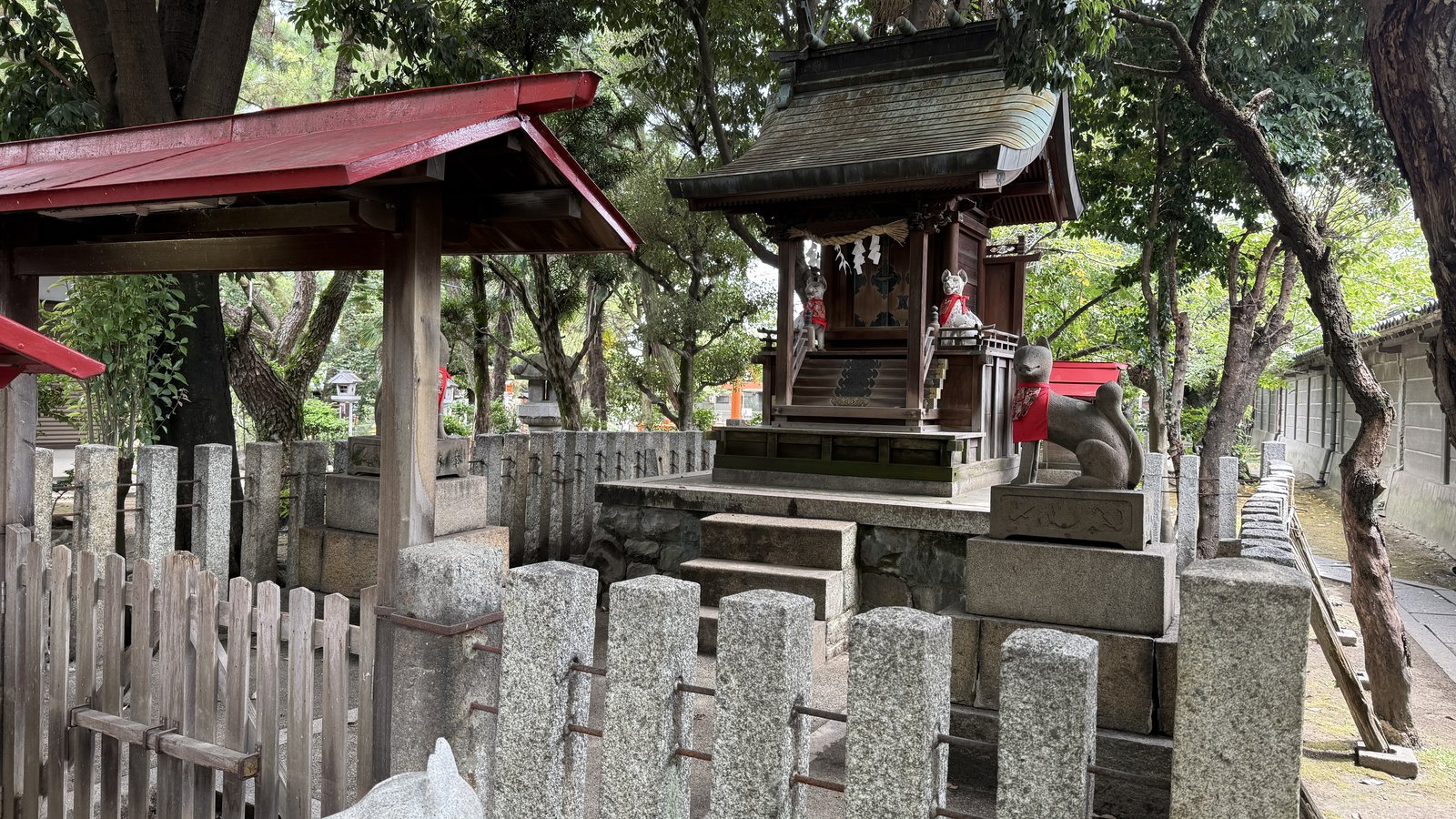
A small shrine in the grounds. A fox statue can be seen beside it.
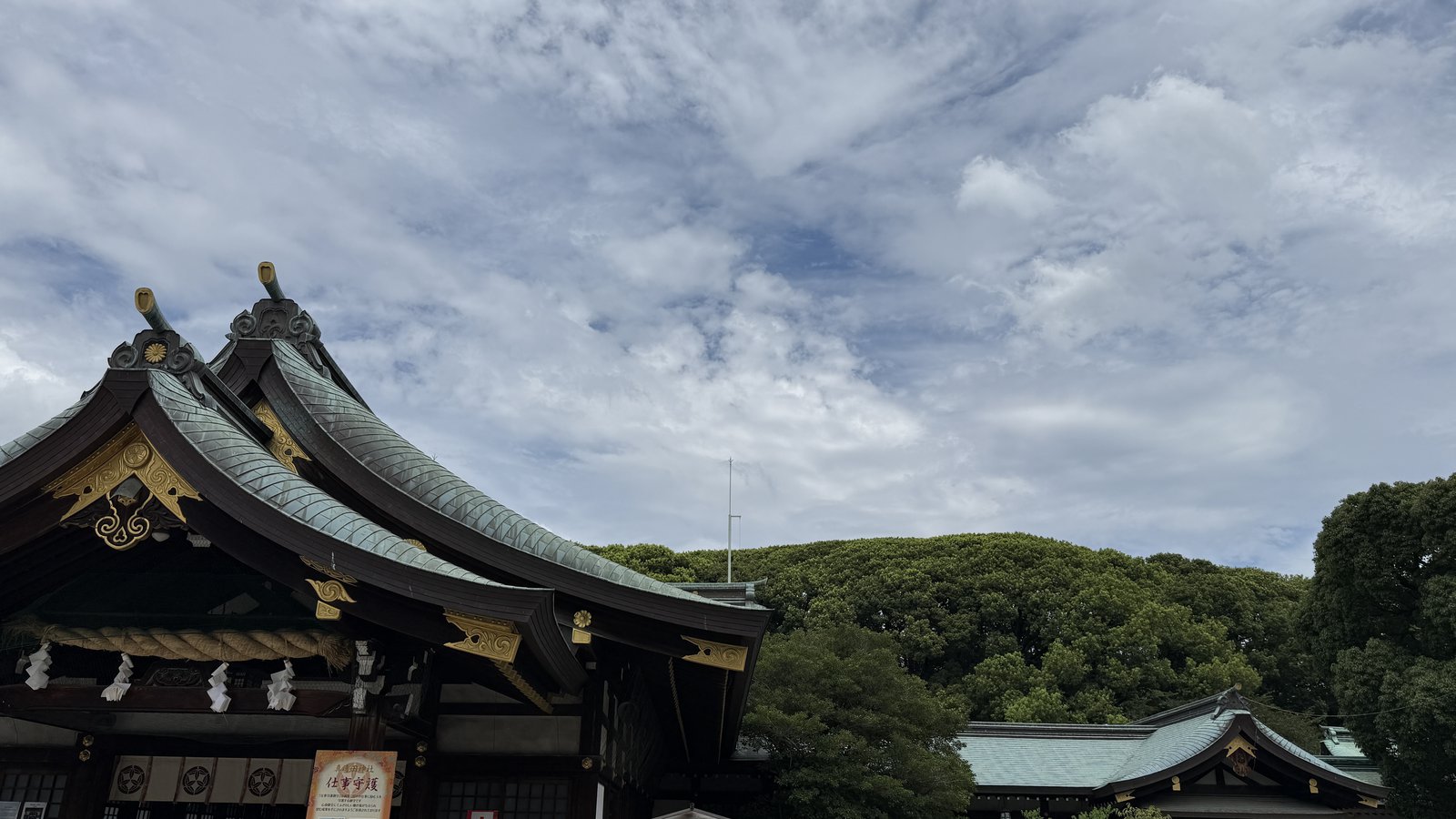
Roofs with gold fittings rise one behind another, with a green wooded hill beyond.
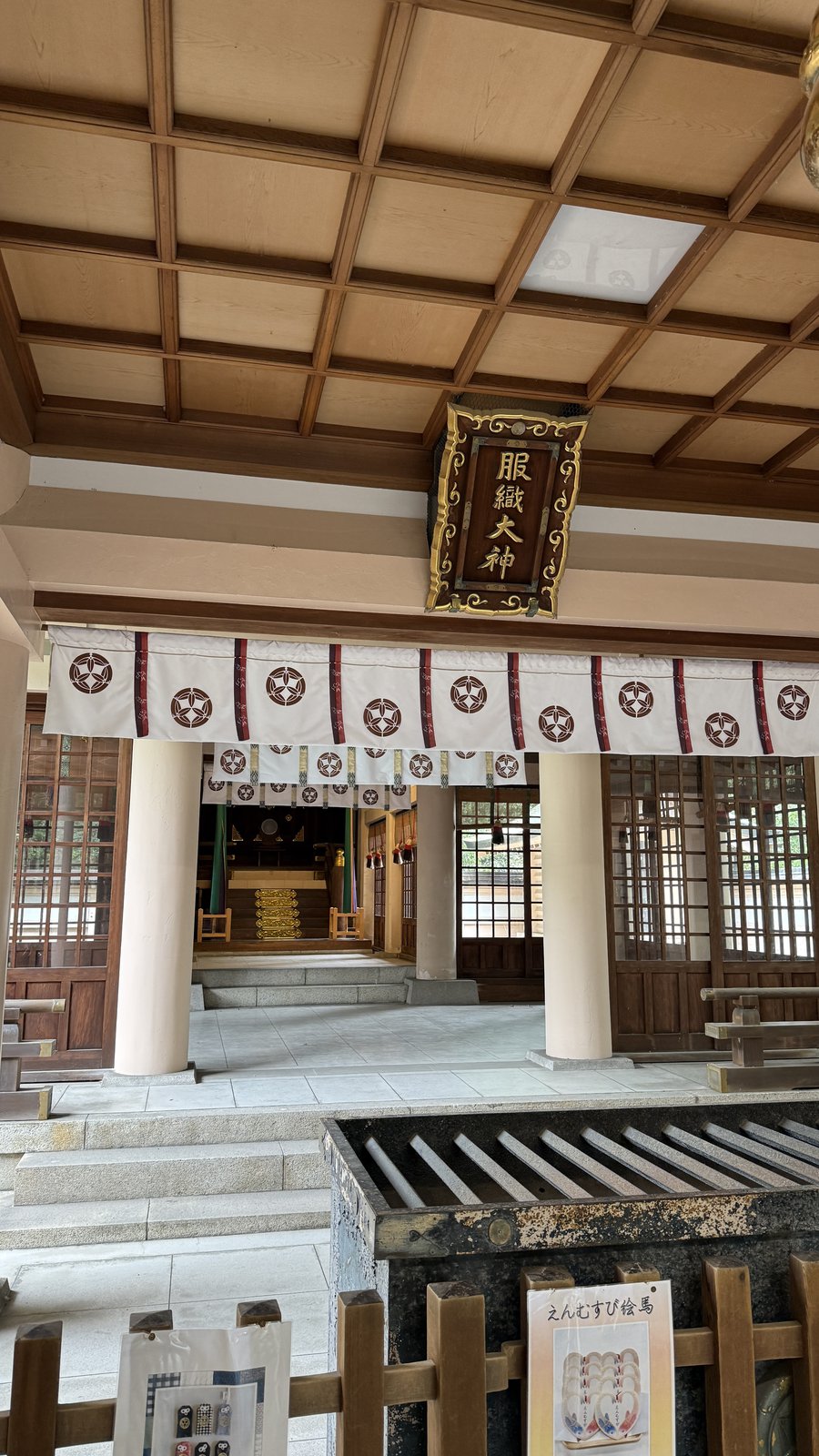
A plaque reading “Hatori Okami” hangs under the eaves.
Cultural context
The rank of “ichinomiya” became the name of the city itself. There are one city and six towns in Japan with “Ichinomiya” in their names, and Ichinomiya is the only city (according to the shrine).
The shrine explains that the ichinomiya was not a system set by the imperial court, but something people established and that spread (→ Kami, ranks and lineages: Ichinomiya). The Zamondo ritual between Samukawa Jinja and Kawawa Jinja in Sagami is part of the same story.
Among its treasures is a set of bugaku masks, an Important Cultural Property, dedicated by Emperor Juntoku in the Kamakura period.